
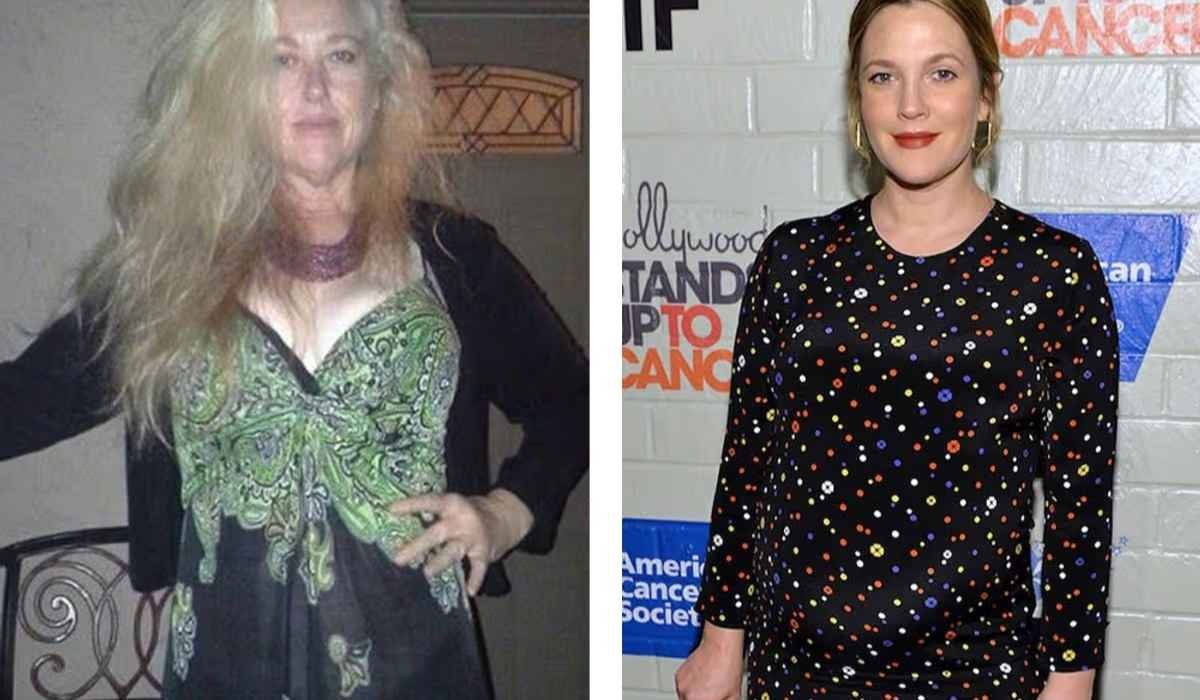
The life story of Jessica Blyth Barrymore remains a fascinating and poignant subject within the broader narrative of Hollywood royalty, touching upon the heavy burdens carried by members of legendary acting dynasties. Born into an illustrious lineage deeply rooted in the American stage and screen tradition, her journey offers a unique lens through which to examine fame, family dynamics, and personal identity away from the blinding lights of cinematic stardom. Although her path diverged significantly from the traditional paths of her famous relatives, her experiences continue to capture the public curiosity regarding the hidden costs associated with generational celebrity. Exploring her background reveals a complex tapestry of relationships, private struggles, and the quiet realities of everyday life experienced outside the entertainment spotlight.
| Metric | Detail |
| Full Name | Brahma Jessica Blyth Barrymore |
| Birth Date | July 31, 1966 |
| Death Date | July 29, 2014 |
| Birthplace | Los Angeles, California, United States |
| Parents | John Drew Barrymore and Nina Wayne |
| Notable Relation | Half-sister to actress Drew Barrymore |
| Profession | Petco employee |
Growing up in the sprawling urban landscape of Los Angeles, Jessica Blyth Barrymore entered the world surrounded by the invisible weight of cinematic history. Her family name carried generations of theatrical prestige, which inevitably cast a long shadow over her childhood years and formative experiences. Despite the glamour often associated with her paternal lineage, her early life was characterized by ordinary routines juxtaposed against extraordinary familial expectations. Relatives and biographers have often noted that navigating such an environment required immense resilience from a very tender age. These foundational years ultimately shaped her distinct perspective on privacy, public attention, and personal autonomy within a turbulent domestic sphere.

The historic Barrymore family tree represents one of the most enduring acting dynasties in the history of American entertainment. Tracing its roots back through decades of stage and film performances, the lineage includes legendary names like John, Ethel, and Lionel Barrymore. Jessica Blyth Barrymore occupied a unique branch of this expansive family network as the daughter of John Drew Barrymore. This positioning connected her directly to a century-old tradition of artistic expression, even though her own daily life remained far removed from Hollywood production sets. Understanding this heritage helps contextualize the profound cultural curiosity that surrounds various members of the extended lineage long after individual milestones have passed.
As a daughter of actor John Drew Barrymore, Jessica Blyth Barrymore experienced a complex paternal relationship marked by the erratic nature of her father’s career. Her father was widely known for his turbulent personal life and tumultuous tenure in the spotlight, which frequently strained familial bonds. Growing up with a parent who struggled intensely with personal demons created an unpredictable home environment that influenced her emotional development. Observers of the family dynamics have frequently highlighted how difficult it was for children in that generation to secure consistent guidance. Consequently, these early paternal interactions left enduring marks on her approach to trust, independence, and personal security.
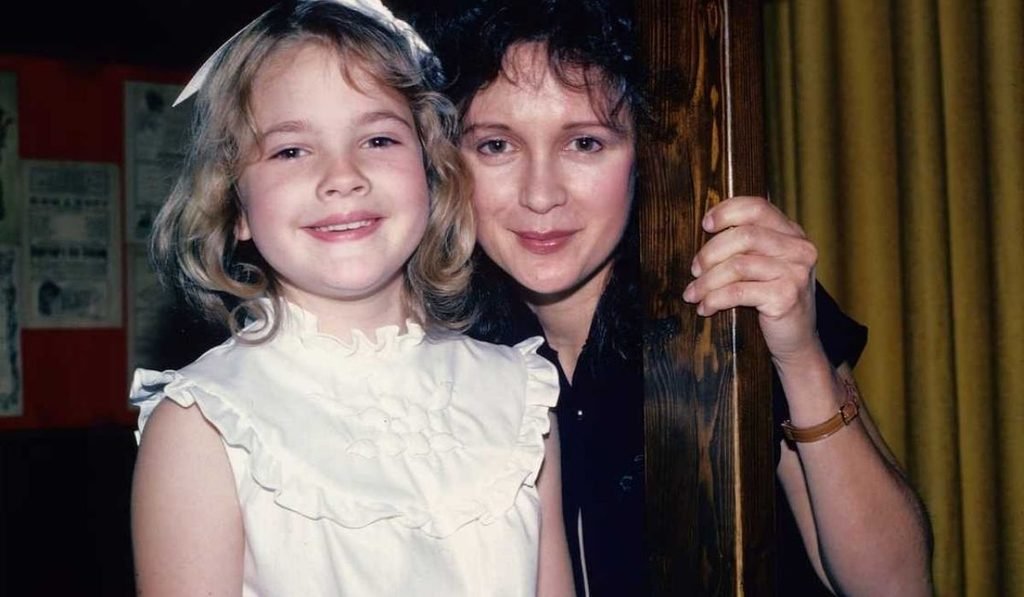
The presence of her mother, Nina Wayne, provided another dimension to the upbringing of Jessica Blyth Barrymore within the vibrant California community. Nina Wayne contributed her own background in the entertainment industry, adding further depth to the artistic milieu surrounding the household during those early years. Maternal bonds often serve as a vital anchor when navigating the complexities of a fragmented family structure under public scrutiny. Although details regarding their later years together remain largely private, the initial years established a foundation of localized stability. This relationship offered a different perspective on life compared to the more chaotic elements tied to the broader paternal side of the family.
Navigating a blended family meant that Jessica Blyth Barrymore shared her lineage with several notable half-siblings, including well-known actress Drew Barrymore. Growing up across different households created distinct paths for each sibling, resulting in varying degrees of contact and shared experiences over time. While some members of the sibling group pursued paths in the entertainment industry, others chose entirely ordinary vocations far away from media attention. These contrasting trajectories underscored the diverse ways individuals processed their shared heritage and the associated pressures. Ultimately, the sibling network highlighted a fractured family portrait shaped by independent choices and differing personal circumstances.
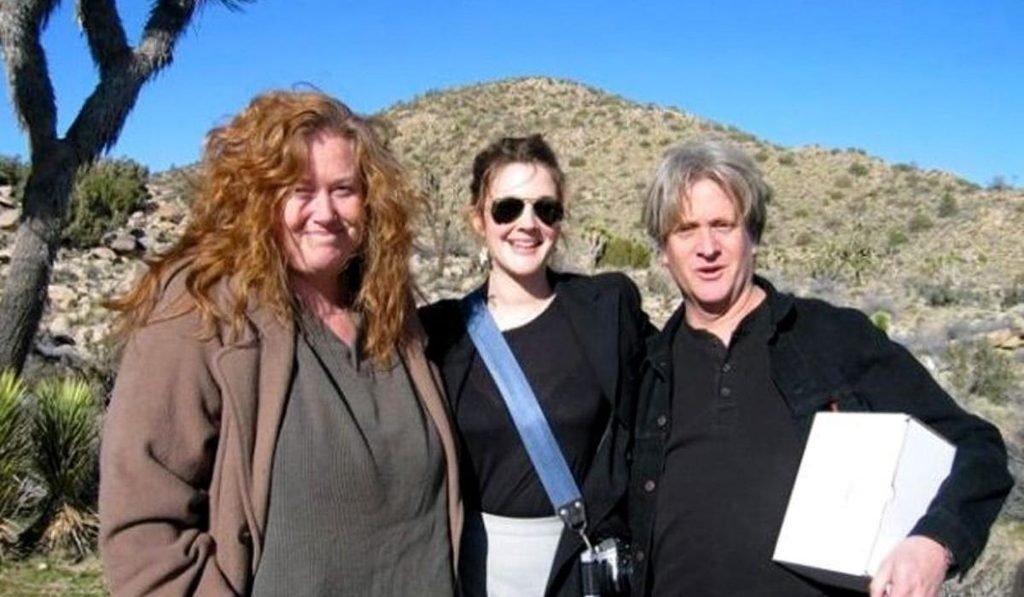
Opting out of the relentless pursuit of celebrity, Jessica Blyth Barrymore chose to forge a path grounded in ordinary, everyday employment and quiet routines. Rather than leveraging her famous surname to enter acting or public modeling, she sought stability through standard professional environments like working at a local Petco store. This deliberate choice reflected a strong desire for personal peace and freedom from the intrusive nature of tabloid journalism. Maintaining a low profile allowed her to cultivate genuine relationships within her immediate community without the constant distortion of public expectations. Such a lifestyle choice demonstrates the quiet dignity often found in individuals who reject manufactured fame for genuine comfort.
Working at a Petco establishment placed Jessica Blyth Barrymore squarely in the realm of ordinary working-class life, far removed from Hollywood studios. Colleagues and acquaintances during this period often remembered her as a dedicated worker who focused diligently on her daily responsibilities. This vocational choice emphasized her commitment to self-reliance and earning a livelihood through traditional means rather than relying on familial prestige. Engaging with everyday customers and managing routine tasks provided a structured, grounding environment that helped balance her personal life. Her time in the retail sector remains a defining example of her preference for simplicity and down-to-earth occupations.
Behind the veneer of an ordinary routine, Jessica Blyth Barrymore faced significant personal struggles that tested her emotional endurance throughout her life. Friends and relatives noted that she grappled with persistent challenges regarding her health, self-esteem, and the emotional weight of her family history. Coping with private hardships while carrying a recognizable last name often magnified the internal pressures she experienced on a daily basis. Despite these hurdles, she maintained a private demeanor, shielding her most vulnerable moments from public scrutiny whenever possible. Her ability to persevere through prolonged personal trials speaks volumes about her inner strength during difficult times.
The life of Jessica Blyth Barrymore came to a sudden and tragic end on July 29, 2014, in National City, California, just days before her forty-eighth birthday. Discovered inside her vehicle, her sudden passing sent shockwaves through her extended family and brought unexpected media attention to her quiet existence. Investigations later revealed that her death was caused by an accidental drug overdose involving a mix of prescription pills and substances. This heartbreaking conclusion underscored the pervasive nature of substance struggles that can affect anyone, regardless of their background or vocational choices. The incident served as a somber reminder of the hidden battles fought by individuals away from the public eye.
Following her untimely death, the media coverage surrounding Jessica Blyth Barrymore briefly thrust her private life into the glaring spotlight of international headlines. Tabloids and news outlets scrambled to piece together her final days, focusing heavily on her connection to her famous half-sister, Drew Barrymore. This sudden influx of public interest created a surreal atmosphere for a family grieving a private loss under public observation. While some reports sensationalized the tragedy, others took a more reflective tone regarding the challenges of growing up within troubled entertainment dynasties. The intense media cycle ultimately highlighted society’s complex fascination with the vulnerable sides of celebrity families.
In the wake of the tragedy, official statements from estranged relatives, including Drew Barrymore, offered condolences and expressed sorrow over the unfortunate outcome. Drew Barrymore issued a respectful public message acknowledging the brief nature of their acquaintance and wishing peace to all affected loved ones. Conversely, other members of the extended sibling network voiced criticisms regarding the fragmented nature of their family support systems. These contrasting reactions illuminated the deep fissures that had long existed within the broader Barrymore family tree. Such public declarations captured the bittersweet reality of trying to find closure within a deeply disconnected family unit.
The experiences of Jessica Blyth Barrymore offer a poignant case study on the generational transmission of trauma and the burdens of famous lineages. When an individual is born into a dynasty of performers, the expectation to succeed or cope with public legacy can become overwhelmingly heavy. Many descendants of famous actors choose entirely different paths precisely to escape the psychological weight associated with historical family achievements. Analyzing these dynamics sheds light on the systemic challenges faced by children of troubled stars who lacked stable emotional frameworks. Her life remains a powerful reminder that pedigree does not shield anyone from human vulnerability or pain.
The circumstances surrounding the passing of Jessica Blyth Barrymore draw critical attention to the broader issues of mental health and substance abuse prevention. Addiction and psychological distress frequently operate in silence, impacting individuals long before outer crises manifest into fatal outcomes. Experts studying these patterns emphasize the necessity of accessible support systems, compassionate intervention, and destigmatizing conversations around mental wellness. Honoring the memory of those lost to similar struggles often involves advocating for better resources and empathetic understanding for people facing parallel battles. Bringing these conversations to the forefront helps ensure that vulnerable individuals receive the timely assistance they truly deserve.
Beyond the sensationalism often attached to Hollywood obituaries, Jessica Blyth Barrymore was a human being with unique dreams, flaws, and personal traits. Those who encountered her in everyday settings remembered her as an independent person striving to maintain dignity amidst personal storms. Reducing a person’s entire existence solely to a tragic headline overlooks the rich tapestry of daily joys and quiet resilience they exhibited during their lifetime. Remembering her with empathy requires acknowledging both the difficulties she endured and the simple life she sought to build for herself. Her narrative encourages a more compassionate approach to discussing individuals who lived on the periphery of fame.
The journey of Jessica Blyth Barrymore imparts valuable lessons regarding the importance of compassion, privacy, and emotional support in modern society. Her choice to live a modest lifestyle demonstrates that true contentment often lies outside the validation of public recognition or material prestige. At the same time, her struggles highlight how crucial it is for communities to foster inclusive environments where struggling individuals can seek help without fear. Reflecting on her life encourages a deeper appreciation for the silent battles fought by ordinary people every single day. These insights can guide how society approaches family legacy, mental health advocacy, and personal empathy moving forward.
From a historical and genealogical perspective, documenting the life of Jessica Blyth Barrymore ensures that every branch of the famous acting family is accurately preserved. Genealogists and entertainment historians rely on public records, birth certificates, and memorial notices to maintain the integrity of complex family trees. Capturing these details prevents important familial connections from fading into obscurity amidst the passage of time. Such archival work is essential for anyone seeking a comprehensive understanding of how Hollywood dynasties evolved across multiple generations. Her inclusion in these records maintains the complete historical record of the extended Barrymore lineage.
The fascination with figures like Jessica Blyth Barrymore reflects deep-seated cultural curiosities surrounding the duality of privilege and hardship in Hollywood. Society often expects descendants of legendary artists to automatically share in their talent or glamour, overlooking individual autonomy and psychological reality. When individuals choose a different path or face tragic circumstances, it challenges the idealized mythos surrounding famous entertainment families. These cultural reflections prompt broader conversations about how the media portrays celebrity relatives and the ethical boundaries of reporting on private grief. Ultimately, her story prompts a reevaluation of what it means to live in the shadow of greatness.
Reflecting upon the life path of Jessica Blyth Barrymore reveals a poignant narrative of quiet perseverance, complex family ties, and a search for peace. Although her time on earth concluded under heartbreaking circumstances, her experiences continue to resonate with those who value authenticity over artificial spotlight. By choosing an ordinary vocation and striving for personal independence, she charted a distinct course away from the cinematic stage. Her memory persists as a reminder of the delicate balance between public legacy and private reality. The legacy of Jessica Blyth Barrymore remains an integral part of the multifaceted history surrounding one of America’s most famous acting dynasties.
Preserving an accurate account of Jessica Blyth Barrymore involves honoring her autonomy, recognizing her humanity, and learning from the challenges she faced. As public interest in classic Hollywood dynasties evolves, maintaining respectful and nuanced perspectives on lesser-known family members becomes increasingly important. Her narrative encourages ongoing dialogue about empathy, mental health support, and the significance of looking beyond surface-level fame. Moving forward with these lessons ensures that her life story contributes to a more understanding and supportive cultural dialogue. The enduring remembrance of Jessica Blyth Barrymore highlights the lasting value of compassion in chronicling human lives.