
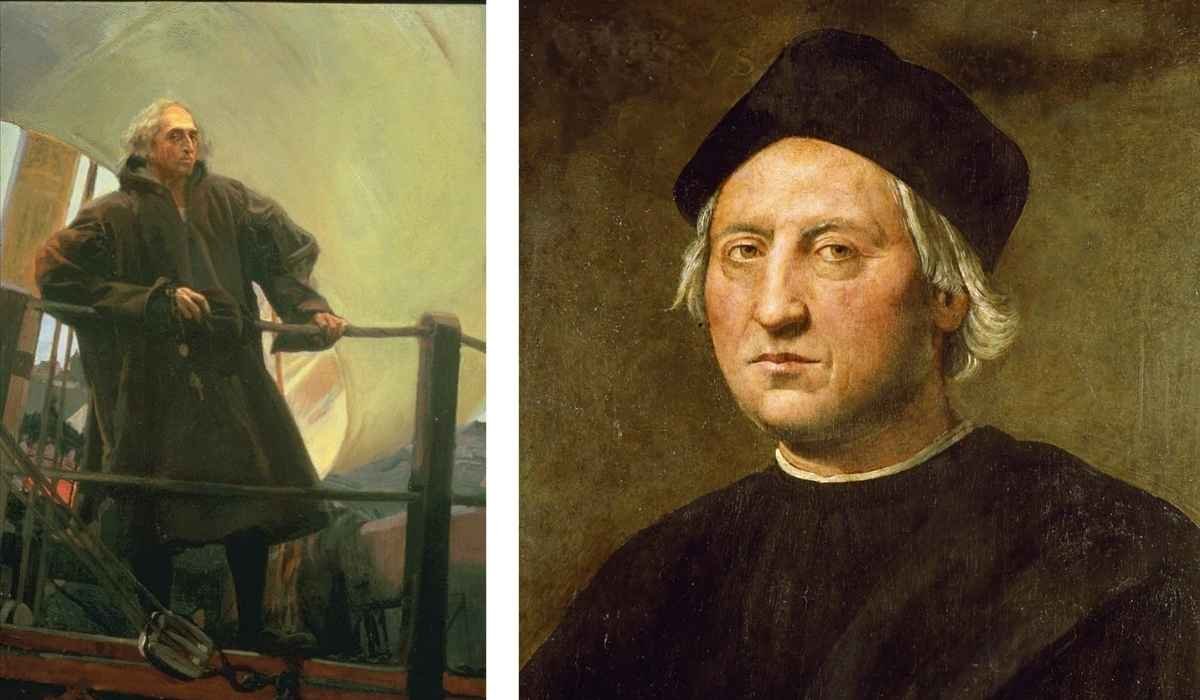
The history of global exploration changed forever when Christopher Columbus embarked on his legendary maritime journeys across the uncharted waters of the Atlantic Ocean during the late fifteenth century, seeking new trade routes to Asia. This daring ambition completely reshaped the geographical understanding of humanity and established permanent connections between Europe and the Americas. His bold navigation challenged prevailing medieval superstitions and opened the floodgates for centuries of transatlantic migration, commerce, and profound cultural exchange that fundamentally altered the course of human history across the entire globe.
Quick Bio
| Attribute | Detail |
| Name | Christopher Columbus |
| Born | 1451, Genoa, Italy |
| Died | May 20, 1506, Valladolid, Spain |
| Occupation | Explorer, Navigator, Maritime Trader |
| Spouse | Filipa Moniz Perestrelo |
| Famous Voyages | Transatlantic expeditions (1492, 1493, 1498, 1502) |
Born in the Republic of Genoa around the year 1451, young Christopher Columbus grew up in a working-class merchant family where he learned the fundamentals of weaving, commerce, and basic navigation along the bustling Italian coastline. Growing up in a major maritime hub exposed him to sailors from distant lands, sparking an intense fascination with ocean travel and foreign geography. These humble beginnings provided young Christopher with the practical work ethic and resilience needed to navigate the treacherous and unpredictable waters of the Mediterranean Sea during a period of intense commercial competition.
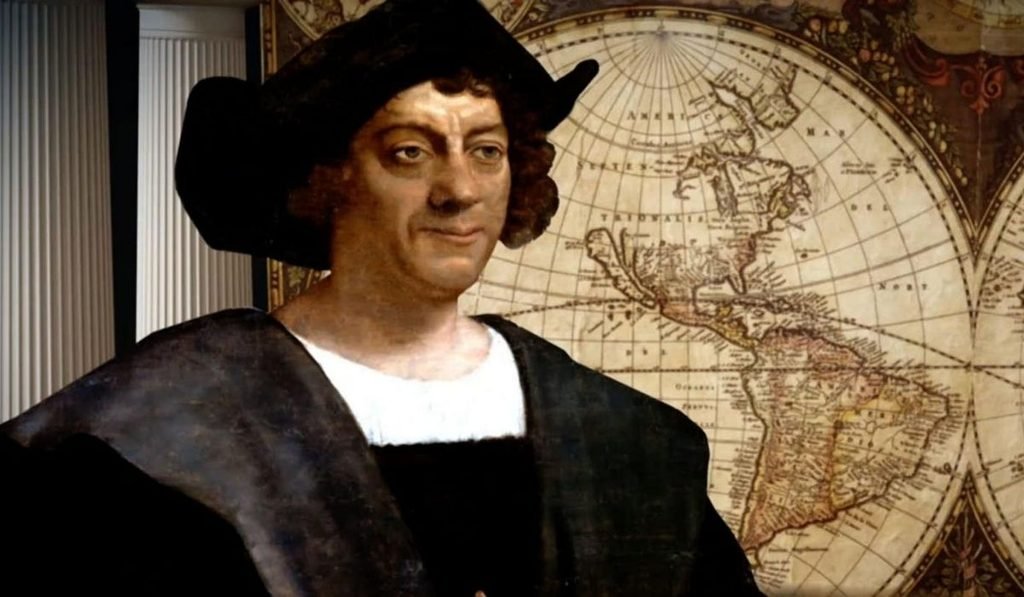
During his teenage years, Christopher Columbus began taking part in various trading voyages throughout the Mediterranean and Aegean seas, gaining invaluable practical seamanship skills that would later serve as the foundation for his ambitious maritime career. Working aboard merchant galleys allowed Christopher to experience firsthand the perils of naval warfare, sudden storms, and commercial navigation under harsh conditions. These formative years at sea hardened his resolve and transformed Christopher into a capable sailor who understood the mechanics of wind patterns, vessel maintenance, and celestial orientation long before planning his famous transatlantic expedition.
Following a dramatic maritime battle and subsequent shipwreck off the coast of Portugal, Christopher Columbus managed to swim ashore safely and made his way to Lisbon, where he joined his brother and expanded his cartography knowledge. This near-death experience in the Atlantic waters off Portugal redirected the life trajectory of Christopher toward the premier intellectual center of European navigation. In Lisbon, Christopher Columbus immersed himself in mapmaking, working alongside his brother to supply maritime charts while absorbing the accumulated wisdom of Portuguese explorers who were actively mapping the western coast of Africa.
While residing in Portugal, Christopher Columbus devoted himself to studying mathematics, astronomy, and ancient geography texts, carefully examining works by scholars and mapmakers to formulate his radical theories regarding the earth’s circumference. Despite lacking formal academic training, Christopher educated himself through relentless reading, correspondence with learned scholars, and practical observations of ocean currents. This self-taught mastery enabled Christopher Columbus to construct a compelling, albeit flawed, geographical argument that convinced him Asia could be reached swiftly by sailing directly west across the open Atlantic Ocean.
Convinced that a direct westerly voyage across the ocean would provide a much faster and safer commercial pathway to the rich spice markets of Asia, Christopher Columbus passionately pursued financial backing from various European monarchs. The visionary plan formulated by Christopher relied on underestimated calculations of the globe’s size, leading him to believe that Japan lay just a few thousand miles west of Europe. Driven by an unwavering sense of divine destiny and commercial ambition, Christopher spent years refining his pitch to secure the massive funding required for such an unprecedented and dangerous nautical undertaking.
Before securing his historic agreement in Spain, Christopher Columbus faced repeated disappointments when the King of Portugal and the merchants of Genoa and Venice ultimately rejected his ambitious nautical proposal as unfeasible and overly risky. Royal committees consulted by the Portuguese monarch correctly deduced that Christopher had severely miscalculated the distance to Asia, arguing that the voyage would be lethally long. Despite these bitter rejections, Christopher Columbus refused to abandon his grand vision, choosing instead to pack up his charts and travel to the Spanish court to seek patronage elsewhere.
After years of relentless lobbying and support from influential Franciscan friars, Christopher Columbus finally gained an audience with Queen Isabella and King Ferdinand, who agreed to sponsor his daring expedition after concluding their military campaigns. The monarchs recognized the immense geopolitical advantage Christopher offered, especially as rival nations sought exclusive access to lucrative eastern spice routes. With royal capitulations signed, Christopher Columbus was granted the titles of Admiral of the Ocean Sea, viceroy, and governor over any new lands he might discover during his upcoming voyage.
Arriving at the port of Palos de la Frontera, Christopher Columbus worked tirelessly to provision three small vessels—the Niña, the Pinta, and the flagship Santa Maria—while assembling a dedicated and capable crew of sailors for the voyage. Securing ships and cooperative crews proved exceptionally difficult for Christopher due to the widespread fear associated with open-ocean exploration and the dubious nature of his proposed route. Through local influence and royal mandates, Christopher Columbus successfully outfitted his small fleet, ensuring his ships carried adequate provisions, trading goods, and essential navigational tools for the long journey.
In August 1492, Christopher Columbus and his expedition officially departed from Spain, stopping briefly in the Canary Islands before launching bravely into the vast and terrifying expanse of the open western ocean currents. Leaving the safety of familiar charted waters behind, Christopher directed his caravels westward into a watery void that many contemporaries believed was filled with sea monsters and impassable abysses. The departure of Christopher Columbus marked a monumental turning point in maritime history, as his tiny fleet ventured courageously where no documented European expedition had ever dared to travel before.
As weeks passed without a sign of land, Christopher Columbus had to manage mounting anxiety, fear, and potential mutiny among his weary crew members by carefully maintaining dual navigation logs and offering constant words of encouragement. The unending expanse of ocean tested the psychological endurance of everyone aboard, forcing Christopher to use a combination of diplomacy, optimism, and strict authority to keep the ships moving forward. When desperate sailors finally threatened open rebellion, Christopher Columbus miraculously caught sight of floating vegetation and migrating birds, signaling that land was finally near.
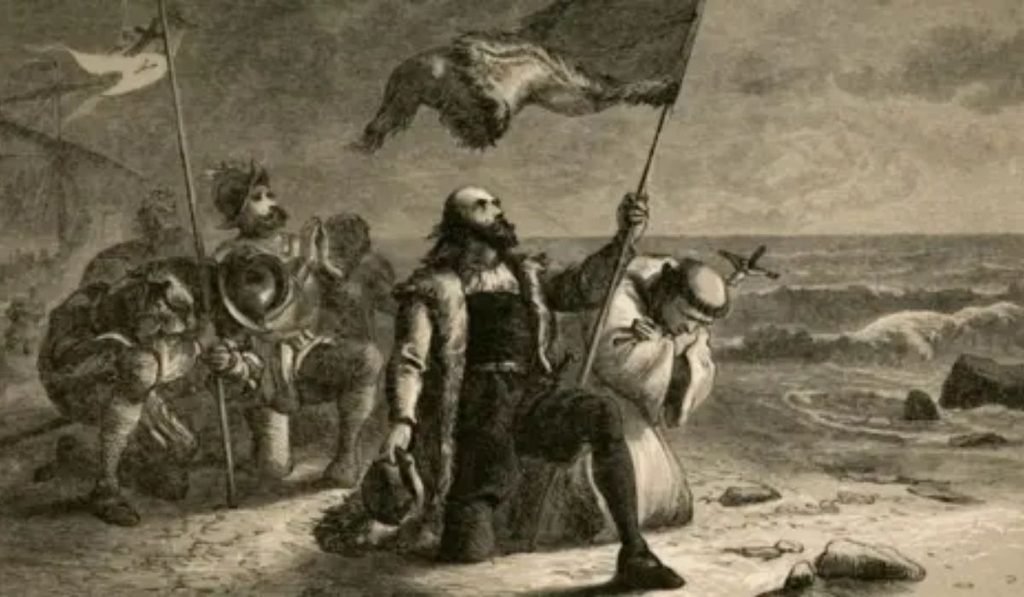
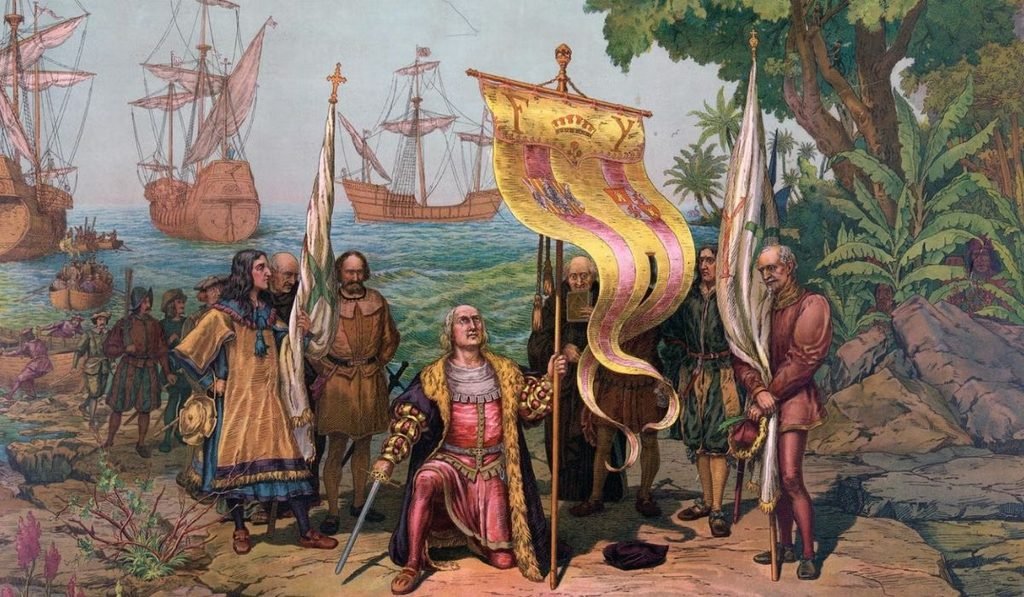
On October 12, 1492, the long anticipation finally ended when Christopher Columbus and his crew made their historic landfall on a small island in the Bahamas archipelago, which he formally claimed for the Spanish crown. Stepping ashore with ceremonial pageantry, Christopher named the island San Salvador and engaged in initial, peaceful exchanges with the native Lucayan people. This breathtaking moment of discovery by Christopher Columbus initiated permanent contact between the Eastern and Western Hemispheres, fundamentally transforming global history, cartography, and international politics forever.
Continuing his initial journey southward, Christopher Columbus explored the scenic coasts of Cuba and Hispaniola, mistakenly believing for the remainder of his life that these tropical islands constituted the outlying fringes of the Asian mainland. The expedition led by Christopher mapped numerous harbors, established initial diplomatic contacts with indigenous leaders, and observed unique local customs and flora. Although he failed to find the grand cities of the Great Khan, Christopher Columbus returned to Europe convinced he had successfully reached the doorstep of the East Indies.
Returning to Europe in early 1493, Christopher Columbus received a hero’s welcome from the Spanish monarchs, showcasing exotic plants, animals, and indigenous people to prove the immense potential and success of his inaugural transatlantic voyage. Tributes poured in from across Europe as the sensational news spread that Christopher had found a western route across the Atlantic Ocean. This triumphant return elevated Christopher Columbus to international fame, securing immense funding and widespread public enthusiasm for future expeditions designed to colonize and exploit the newly discovered territories.
Fueled by immense early success, Christopher Columbus launched a much larger second fleet in late 1493, carrying hundreds of colonists, livestock, and supplies intended to establish permanent European settlements in the newly encountered lands. Unlike the exploratory nature of his first journey, this massive armada commanded by Christopher was explicitly designed for conquest, exploitation, and permanent settlement. The fleet under Christopher Columbus crossed the Atlantic smoothly, but the subsequent arrival in the Caribbean quickly revealed the harsh realities and violent conflicts that would plague early colonial administration.
Serving as governor of the newly established territories, Christopher Columbus struggled immensely with administrative duties, rebellious colonists, and severe logistical hurdles, leading to increasing political instability and rising discontent across the settlements. The leadership style of Christopher Columbus faced harsh criticism from disgruntled settlers who resented his strict authority and the lack of immediate golden riches. Managing a fragile colonial outpost proved far more difficult than navigating the open ocean, forcing Christopher Columbus to grapple with rebellions, supply shortages, and deteriorating relations with indigenous populations.
During his third voyage in 1498, Christopher Columbus successfully reached the northern coast of South America near the Orinoco River delta, marking the first time a European expedition made landfall on the actual continental mainland. Observing the massive freshwater outflow of the great South American river, Christopher Columbus correctly deduced that such a vast volume of water must originate from an immense landmass rather than a small island. This geographical breakthrough by Christopher Columbus expanded European awareness of the true scale of the western hemisphere, even as administrative troubles mounted back in his Caribbean settlements.
Due to mounting complaints regarding his harsh governance and administrative failures, Christopher Columbus was stripped of his titles and sent back to Spain in chains by a royal investigator, though the monarchs quickly ordered his release. The shocking arrest of Christopher Columbus tarnished his reputation and highlighted the chaotic and brutal realities of early Spanish colonial administration in the Americas. Although Queen Isabella restored his freedom and provided funding for one final journey, Christopher Columbus never regained his former political power, viceregal authority, or social standing within the royal court.
Embarking on his fourth and final voyage in 1502, Christopher Columbus searched desperately along the coast of Central America for a strait to the Indian Ocean, enduring shipwrecks, violent storms, and severe illness before returning home. Stranded for a full year on the island of Jamaica due to unseaworthy ships, Christopher Columbus displayed remarkable resilience while managing mutinies and securing provisions from local inhabitants. This grueling final expedition tested the physical limits of Christopher Columbus, marking a bitter and exhausting conclusion to his storied career as a pioneering transatlantic navigator.
Spending his final years in relative obscurity and deteriorating health, Christopher Columbus passed away in Valladolid, Spain in 1506, leaving behind a profoundly complex legacy that forever transformed global geography, commerce, and international relations. Modern historical assessments of Christopher Columbus balance his undeniable navigational brilliance and fearless seamanship against the devastating impact his voyages inflicted upon indigenous populations through colonization and disease. Despite these controversies, the historic achievements of Christopher Columbus remain a monumental turning point that effectively connected two separate worlds and initiated the modern era of globalization.
The monumental explorations initiated by Christopher Columbus effectively bridged two previously isolated hemispheres, inaugurating an era of intense globalization, cultural exchange, and far-reaching historical consequences that continue to be studied and debated today. Scholars analyzing the impact of Christopher Columbus examine both the unprecedented exchange of agriculture, culture, and ideas known as the Columbian Exchange and the tragic demographic collapse of native populations. Ultimately, the legacy of Christopher Columbus serves as a defining pillar of world history, symbolizing human curiosity, ambition, and the complex, enduring consequences of cross-cultural exploration.