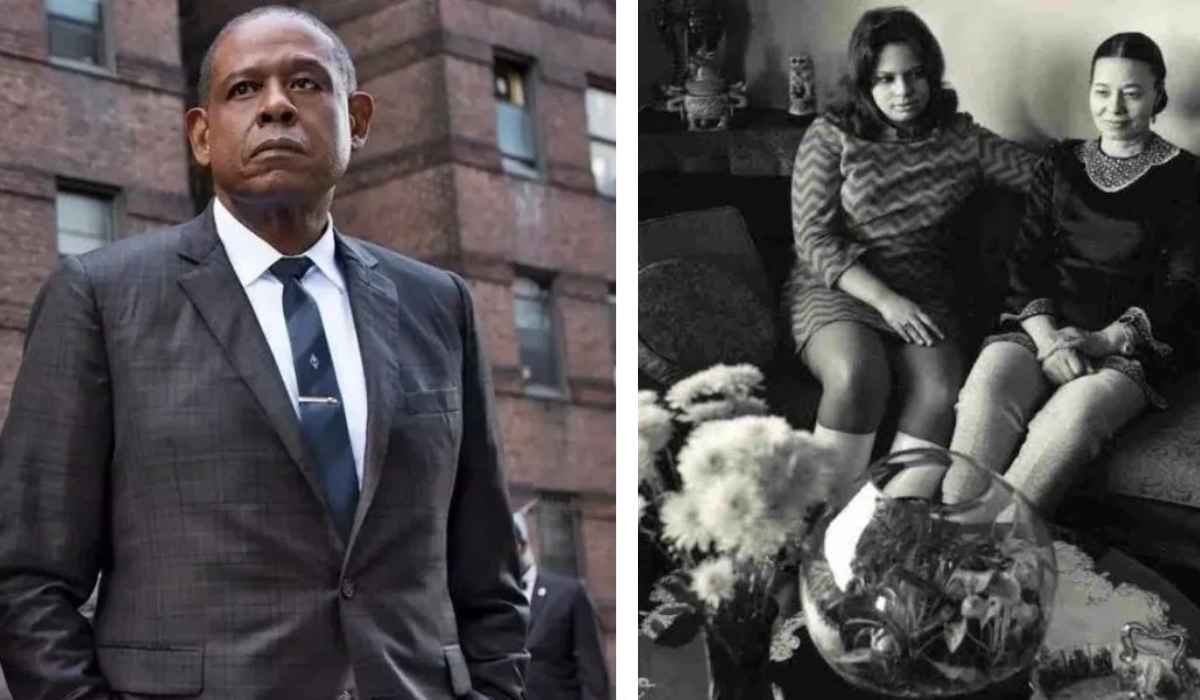


Dorothy Bowles Ford is best known for her connection to the influential Ford political family of Memphis, Tennessee. She is the former wife of longtime U.S. Congressman Harold Ford Sr. and the mother of Harold Ford Jr., who later represented Tennessee in the United States House of Representatives. Although her family became widely recognized in American politics, she maintained a relatively private public profile. Her documented professional background and family history provide insight into a life connected to public service, political change, and family responsibilities.
| Quick Bio | Details |
|---|---|
| Full name | Dorothy Bowles Ford |
| Known for | Mother of Harold Ford Jr. |
| Former husband | Harold Eugene Ford Sr. |
| Marriage | 1969 |
| Divorce | 1999 |
| Children | Harold Ford Jr., Newton Jake Ford, and Sir Isaac Ford |
| Professional background | Longtime U.S. Department of Agriculture employee |
| Family connection | Ford political family of Memphis |
| Public profile | Private individual |
| Nationality | American |
Dorothy Bowles Ford is a private individual whose name frequently appears in biographies of prominent American political figures. Her connection to Harold Ford Sr. and Harold Ford Jr. has attracted public interest over the years. Unlike her former husband and eldest son, she did not establish a widely documented career as an elected official. Consequently, reliable information about her personal background is limited, and many details repeated by online biography websites remain unverified.

Publicly available authoritative records provide limited information about her childhood, parents, and upbringing. Her association with Memphis, Tennessee, is connected to the Ford family’s political history, but her precise birthplace and early family circumstances are not firmly established. A responsible biography should distinguish documented facts from assumptions. Rather than inventing stories about her childhood, it is more useful to examine the confirmed milestones of her adult life, family relationships, and professional background.
Detailed records of her educational history are not readily established in authoritative public biographies. Some online profiles make specific claims about schools or colleges, but these details should not be treated as confirmed without dependable supporting evidence. Her professional employment nevertheless indicates that she developed experience in a structured workplace. Her story also illustrates why biographical research should prioritize reliable historical records over repeated claims that appear across websites without clear documentation.
Memphis is central to understanding the broader family history associated with her name. The city served as the political base of Harold Ford Sr., whose congressional career helped establish the Ford family’s national recognition. Memphis also provided the setting for important developments in Tennessee’s African American political representation. Understanding this background helps explain why people researching the family often encounter her name while exploring the city’s political history and the careers of her former husband and son.
Dorothy Bowles married Harold Eugene Ford Sr. on February 10, 1969, according to historical accounts of the former congressman’s life. Their marriage coincided with a period of significant political and social change in the United States. Ford Sr. was building his career in Tennessee politics, eventually becoming a prominent representative of Memphis. Their relationship placed her within a family whose public responsibilities grew considerably as his political influence expanded.
Harold Ford Sr. is a former Democratic congressman who represented Tennessee in the U.S. House of Representatives from 1975 to 1997. He became the first African American elected to represent Tennessee in Congress. Before his federal service, he served in the Tennessee legislature. His long political career made him an influential figure in Memphis and national Democratic politics, providing important context for the public interest surrounding his family.
The couple had three sons: Harold Ford Jr., Newton Jake Ford, and Sir Isaac Ford. Their children’s upbringing took place during years when their father’s political responsibilities became increasingly demanding. Raising a family while navigating public life can involve significant scheduling, privacy, and family commitments. Although personal details about their household are limited, congressional biographies establish the names of the children and the family’s connection to the wider Ford political legacy.
Harold Ford Jr. is the eldest son of Dorothy and Harold Ford Sr. Born in Memphis on May 11, 1970, he eventually followed his father into national politics. His career later expanded into finance, writing, and political commentary. His achievements brought additional attention to his family background, encouraging readers to explore the people who were part of his early life. Official congressional history identifies his mother and documents his path into public service.
Dorothy Bowles Ford and Sir Isaac Ford are the couple’s other two sons. Compared with their older brother, they have maintained lower public profiles in national politics and media. Information about their personal lives, education, and professional careers is less extensively documented in major public records. Their inclusion in the family’s history remains important, however, because they represent another part of the household that existed alongside their father’s demanding congressional career and their brother’s later political achievements.
A congressional household operates under circumstances different from those of many private families. Campaign schedules, public appearances, official duties, and travel can all influence daily routines. As the wife of a congressman, she was connected to these demands during her marriage. However, specific claims about her private responsibilities should be approached carefully when reliable sources do not establish them. The broader political setting offers context without requiring assumptions about conversations, household decisions, or personal experiences that were never publicly documented.
One of the more meaningful details in the public record concerns her professional employment. A U.S. House historical biography of Harold Ford Jr. identifies his mother as a longtime employee of the U.S. Department of Agriculture. This information shows that her background included employment outside the political career associated with her family. It also provides a useful starting point for understanding her as an individual rather than defining her entirely through her relationships with prominent political figures.
Having a professional identity separate from a spouse’s public responsibilities is an important aspect of many family histories. Her documented government employment suggests that her life included workplace commitments beyond the attention surrounding congressional politics. Unfortunately, comprehensive records of her job title, promotions, and full employment timeline are not readily available in authoritative biographies. These limitations make it inappropriate to assign specific achievements or duties to her without supporting documentation.
The Department of Agriculture is a federal agency responsible for a wide range of programs related to agriculture, food, rural communities, and public services. Employment in a federal department can involve administrative, technical, or other professional responsibilities, depending on the position. However, the available biographical information does not establish her precise role or daily duties. The safest conclusion is that her professional history included long-term federal employment, rather than assuming she held a particular senior position.
Her professional background adds another dimension to the story of a family commonly associated with elected office. Public service can take many forms, including government employment, community participation, administration, and political representation. Although she did not become widely known as an elected official, her documented employment provides evidence of a working life of her own. This distinction is valuable for readers who want a balanced biography that recognizes personal identity alongside family connections.
Several websites attribute additional occupations or specific employers to her, but not all these accounts provide dependable evidence. When details conflict, official congressional biographies and historical records offer a stronger foundation than unsourced celebrity profiles. Her long-term employment with the Department of Agriculture is supported by a congressional biographical account. Other claims should be checked against original records before being presented as established facts.
Her family connections placed her near an important period in Tennessee’s political history. Harold Ford Sr. served in Congress for more than two decades, while their eldest son later represented the same state in the House. This succession attracted attention because it linked two generations of a prominent political family. Although she was not herself known for holding elected office, her family history forms part of the wider narrative of political representation in Memphis.
Ford Sr.’s congressional service began in 1975 and ended in 1997. During that time, he represented Memphis-area constituencies and participated in the legislative process in Washington. His career included work on committees and issues affecting public assistance, health, and other domestic policy areas. His historic position as Tennessee’s first African American member of Congress makes his career an important subject in political history. These achievements also explain why biographies of his immediate family receive continued attention.
Harold Ford Jr. entered the House of Representatives in 1997, succeeding his father in representing Tennessee. He served until 2007, giving the family a congressional presence spanning consecutive generations. His background included education at the University of Pennsylvania and the University of Michigan Law School. He later moved into finance and political commentary. His professional evolution has sustained interest in his upbringing and the family relationships that preceded his own public career.
Political families often become subjects of historical interest because their influence extends across elections and generations. The Ford family is an example of this pattern in Tennessee. Its history includes local political involvement, congressional representation, and public debate over leadership and representation. Examining the family also helps readers understand how political traditions are maintained and adapted over time. A balanced account recognizes documented public achievements without assuming that every relative shared the same political ambitions or public responsibilities.

Biographies of elected officials frequently explore childhood, parental influence, education, and family circumstances. These subjects help explain the environment in which future leaders developed, but they do not establish that relatives were responsible for every career decision. In the case of Harold Ford Jr., official historical material documents his mother’s identity and his father’s political career. More detailed claims about how family members influenced particular decisions require additional evidence.
The marriage between Dorothy and Harold Ford Sr. ended in divorce in 1999, after approximately three decades together. The separation marked a new chapter in their personal lives, although the public record provides limited details about the circumstances surrounding it. It is important to respect that distinction when researching family biographies. The documented timeline establishes the end of their marriage without requiring speculation about private disagreements, personal motivations, or the experiences of individual family members.
Following the divorce, public attention continued to focus primarily on the careers of her former husband and eldest son. Much less reliable information is available about her own activities and circumstances after 1999. This limited visibility should not be interpreted as evidence that she disappeared from family life or stopped pursuing personal interests. Instead, it reflects the difficulty of documenting the experiences of people who do not regularly participate in public life or give extensive interviews.
Privacy is an important consideration when writing about individuals whose recognition comes mainly through relatives. A person’s family connections do not automatically make every aspect of their life public knowledge. In this case, details such as current residence, personal relationships, daily activities, and private financial circumstances are not sufficiently established by authoritative sources. A credible profile should avoid presenting rumors as facts and should distinguish documented biographical information from claims that remain uncertain.
Readers frequently search for updates about her present life because her former husband and eldest son remain recognizable names in American political history. Nevertheless, publicly available authoritative information does not provide a comprehensive account of her current activities or residence. Recent online biographies sometimes offer specific claims without showing strong supporting evidence. For that reason, a responsible article cannot confidently describe her daily routine, current employment, or private circumstances without reliable, recent confirmation.
Interest in her biography largely comes from her connections to two generations of congressional leadership. People researching Harold Ford Jr. often want to understand his family background, while readers studying Harold Ford Sr. may seek information about his marriage and children. Search engines bring these related subjects together, making her name increasingly familiar to readers exploring American political families. Her story therefore connects personal biography with the broader history of Tennessee’s political representation.
Although her family became prominent, she did not develop the same public profile as the two congressmen associated with her name. This difference highlights the many ways people participate in the life of a political family. Some relatives seek elected office, while others pursue professional careers and personal interests outside public scrutiny. Her documented government employment offers one concrete aspect of her own background, even though a fuller account of her personal experiences remains unavailable.
Online biography articles can make it difficult to distinguish established information from repeated speculation. Details about birth dates, education, wealth, and current residence may appear across multiple websites without being supported by primary records. Repetition alone does not establish accuracy. Congressional histories, official biographies, and credible historical documents provide a more dependable starting point. Readers should compare sources and look for original evidence before accepting claims about private individuals as established facts.
There is no sufficiently reliable public evidence to establish a precise personal net worth for her. Online estimates may appear attractive because readers often want financial details about people connected to prominent families, but such figures can be speculative. A credible financial assessment would require documented information about assets, income, liabilities, or other relevant financial records. Without that evidence, publishing a specific dollar amount would create a misleading impression of certainty.
Her exact date of birth is not firmly established in the authoritative sources used for this biography. Some online profiles suggest a birth year, but the information is not consistently supported by primary documentation. Consequently, an exact age should not be presented as confirmed. This illustrates a broader principle of responsible biographical writing: when an important personal detail cannot be verified, acknowledging the uncertainty is more accurate than repeating a questionable figure.
Family histories are often remembered through public achievements, but they also involve relationships and experiences that are not fully documented. Her connection to a household that included a longtime congressman and a future congressman places her within an important political narrative. Still, it would be inaccurate to attribute particular beliefs, parenting methods, or private sacrifices to her without evidence. Her established family connections and professional background provide a meaningful account without overstating what is known.
The Ford family’s history is closely associated with Memphis and the development of African American political representation in Tennessee. Harold Ford Sr.’s congressional service and Harold Ford Jr.’s subsequent tenure are documented milestones in that history. Her place in this narrative comes primarily through her marriage, motherhood, and professional background. Exploring her biography alongside the congressional records offers readers a broader view of the people connected to a notable political family.
A strong biography should combine relevant personal information with historical context while avoiding unsupported conclusions. In this case, the documented facts include her marriage to Harold Ford Sr., their three sons, her relationship to Harold Ford Jr., and her federal employment. Other personal details remain uncertain. Recognizing these boundaries does not make the story less valuable; it helps readers understand which parts of the biography are established and which questions remain unanswered.
1. Who is Dorothy Bowles Ford?
– She is best known as the former wife of Harold Ford Sr. and the mother of former Tennessee congressman Harold Ford Jr.
2. Who was her husband?
– She married Harold Eugene Ford Sr. in 1969, and their marriage ended in divorce in 1999.
3. How many children does she have?
– She and Harold Ford Sr. had three sons: Harold Ford Jr., Newton Jake Ford, and Sir Isaac Ford.
4. What did she do for a living?
– A congressional biography identifies her as a longtime employee of the U.S. Department of Agriculture, although detailed employment records are limited.
5. Does she have a Wikipedia page?
– A dedicated page is not clearly established in the sources consulted, but related biographies are available on Wikipedia