


Every day, people lose keys, misplace luggage, or wonder where their pets have wandered off to. Finding lost items used to involve tedious searching, but modern technology has revolutionized this process completely. A reliable tracqueur can instantly pinpoint the exact geographic coordinates of a missing object, vehicle, or loved one. These clever electronic units rely on advanced satellite signals, local Bluetooth networks, or cellular connections to deliver live updates directly to smartphones and computers. As cities grow busier and personal belongings become more expensive, the demand for smart monitoring solutions continues to surge across the globe.
| Feature | Detail |
| Primary Focus | Location tracking and asset recovery |
| Core Technologies | GPS, Bluetooth, Wi-Fi, and Cellular networks |
| Common Use Cases | Vehicles, pets, luggage, keys, and wearables |
| Main Objective | Enhancing security and preventing item loss |
Long before smartphones became common household items, tracking machinery was bulky, expensive, and limited strictly to large industrial logistics companies. Heavy shipping containers and commercial cargo fleets required advanced monitoring to prevent cargo theft and monitor delivery timelines across continents. Over time, rapid advancements in microchip manufacturing and battery design allowed engineers to shrink these oversized tracking components significantly. Today, a powerful tracqueur can fit comfortably on a keychain, inside a pet’s collar, or hidden discreetly within the glove compartment of a family automobile, bringing enterprise-grade security directly to everyday consumers.
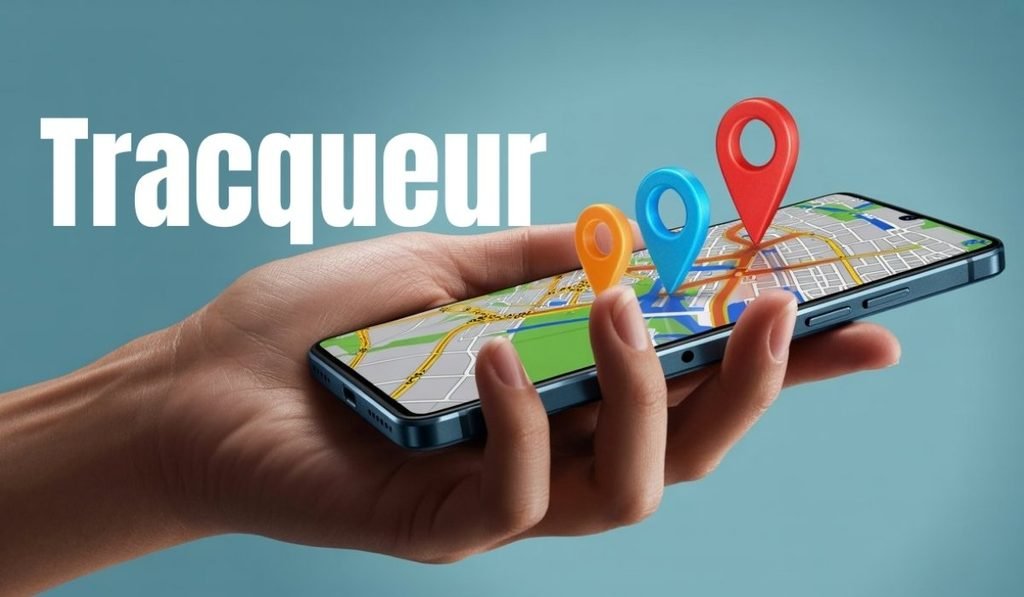
Global positioning technology remains the absolute gold standard for tracking moving objects over long distances and vast outdoor areas. By communicating constantly with a vast network of orbiting satellites high above the Earth, a specialized device calculates precise latitude, longitude, and altitude data. Whether a commercial delivery truck is crossing state lines or a hiker is exploring a remote mountain trail, satellite connectivity ensures accurate positioning information. Implementing a dedicated GPS-based tracqueur allows fleet managers and individual travelers to monitor routes in real-time, optimize travel paths, and ensure that valuable assets remain completely secure throughout their entire journey.
While satellite technology excels at long-range outdoor tracking, short-range wireless protocols dominate the market for finding everyday personal accessories. Bluetooth trackers are compact, lightweight tags designed to attach effortlessly to wallets, keyrings, backpacks, and camera cases. When an item slips between couch cushions or gets left behind at a coffee shop, a nearby tracqueur connects instantly to the user’s mobile phone via low-energy radio waves. Owners can trigger an audible alert chime or view proximity indicators on a digital map, transforming a stressful treasure hunt into a quick and effortless retrieval process within seconds.
Pet ownership brings immense joy, but the terrifying moment a dog or cat slips through an open gate can cause instant panic for any owner. Modern animal safety has evolved past traditional metal ID tags by introducing lightweight electronic locators designed specifically for collars. Utilizing a combination of cellular networks and local wireless signals, a modern pet tracqueur updates an owner’s smartphone app with the animal’s exact outdoor coordinates. If an adventurous cat or runaway dog decides to explore the neighborhood, families can track their precise movements instantly, ensuring a swift and safe reunion before darkness falls.
Automobiles represent some of the most significant financial investments that individuals make during their lifetimes, making vehicle security a top priority. Installing a concealed hardware unit inside a car or truck provides continuous protection against professional thieves and unauthorized drivers. Advanced security features often include boundary alerts, motion sensors, and remote engine immobilization capabilities. Utilizing an automotive tracqueur gives vehicle owners deep peace of mind, knowing they can instantly locate their car on a digital map or alert local law enforcement authorities the moment suspicious movement is detected.
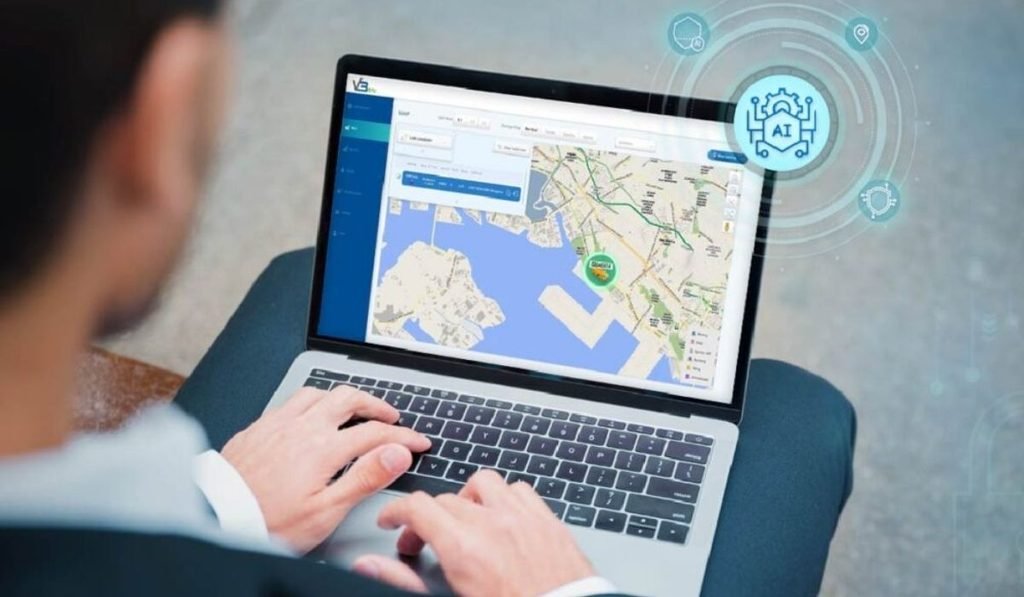
Modern commerce relies heavily on the fast, efficient, and transparent movement of goods from manufacturing warehouses directly to consumer doorsteps. Logistics companies face immense pressure to keep operational costs low while preventing inventory loss, damage, or delivery delays. By deploying durable monitoring hardware across shipping palettes, delivery vans, and heavy machinery, businesses gain total visibility over their entire operational ecosystem. A professional-grade asset tracqueur minimizes downtime, eliminates manual inventory audits, and ensures that valuable industrial equipment is always accounted for across active job sites.
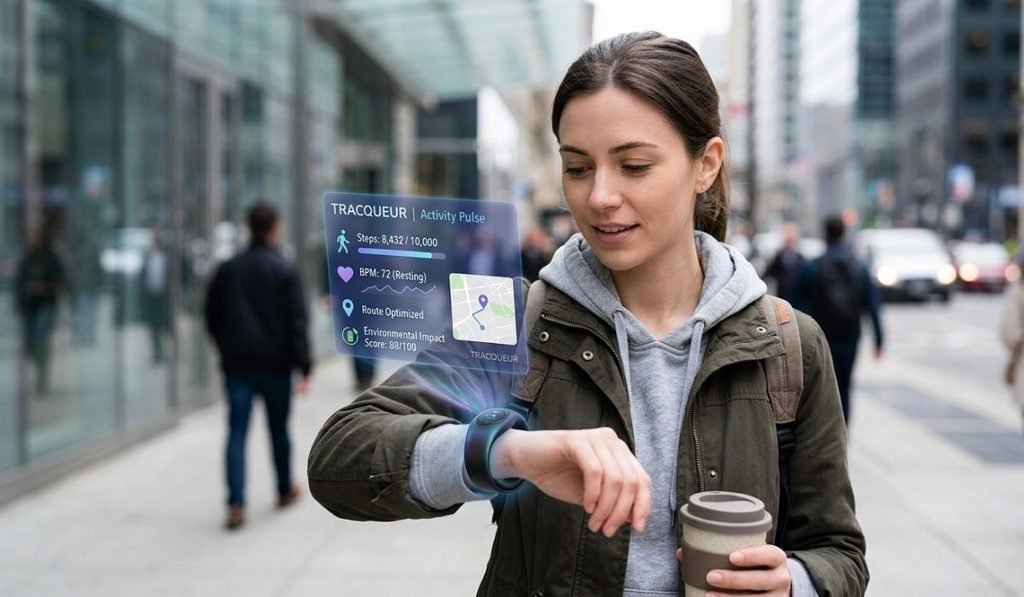
Fitness enthusiasts and health-conscious individuals frequently rely on specialized wristwear to monitor their daily physical activity, sleep cycles, and heart rates. These sleek wearable bands double as personal wellness monitors that track steps taken, calories burned, and overall cardiovascular performance throughout the day. Although their primary purpose focuses on personal health optimization rather than geographic tracking, many models incorporate location features for outdoor runners and cyclists. Wearing a smart fitness tracqueur empowers users to analyze their workout routines, set realistic fitness goals, and maintain a healthier, more active lifestyle effortlessly.
One of the most persistent engineering challenges facing modern hardware designers involves maximizing operational battery life while keeping device sizes minimal. Users expect their electronic gadgets to run for months or even years without requiring constant recharging or battery replacements. Engineers achieve remarkable longevity by incorporating ultra-low-power microchips and smart motion sensors that put the internal transmitter into deep sleep mode when stationary. A well-optimized power-efficient tracqueur balances continuous connectivity with energy conservation, ensuring that the device remains fully operational precisely when an emergency recovery situation arises.
As tracking devices become deeply integrated into our daily routines, questions regarding digital privacy, data security, and surveillance come to the forefront. Consumers must trust that their location data remains encrypted, secure, and accessible only to authorized users with proper login credentials. Manufacturers implement strict security protocols to prevent unauthorized third parties from intercepting sensitive location feeds or hacking into companion mobile applications. Maintaining robust data protection standards ensures that a consumer tracqueur serves as a tool for personal safety rather than an unintended vulnerability for privacy breaches.
While satellite and cellular networks perform remarkably well outdoors, physical obstacles like thick concrete walls, steel beams, and deep basements can block signals entirely. Indoor environments pose unique challenges for location hardware, often leading to reduced accuracy or temporary signal loss in multi-level commercial buildings. To compensate for these architectural barriers, hybrid systems often combine local Wi-Fi node detection with Bluetooth mesh technology. Recognizing these operational boundaries helps users set realistic expectations regarding how a tracqueur behaves when operating inside complex urban structures or underground facilities.
Modern location software often includes a powerful feature known as geofencing, which allows users to draw virtual boundaries around specific real-world locations. Whether defining a home perimeter, a school zone, or a commercial parking lot, this software capability triggers instant smartphone notifications whenever a monitored object crosses the invisible line. Parents use this functionality to monitor children arriving safely at school, while fleet managers use it to track unauthorized vehicle departures. Integrating geofencing into a standard tracqueur transforms passive location data into an active, automated security notification system.
The modern marketplace offers an overwhelming variety of tracking devices, ranging from inexpensive coin-sized Bluetooth tags to rugged, subscription-based satellite units. Selecting the correct device requires careful evaluation of range requirements, battery longevity, physical dimensions, and operating environment constraints. A consumer looking to find misplaced keys inside a home requires a very different solution than a shipping company monitoring freight across international waters. Matching the appropriate tracqueur to the specific task ensures optimal performance, cost-efficiency, and complete satisfaction with the chosen technology investment.
Technological innovations in micro-engineering have allowed manufacturers to produce astonishingly small electronic components without sacrificing processing power or signal strength. Today’s tracking units can be sewn directly into jacket linings, embedded into luggage tags, or worn discreetly as jewelry without drawing unwanted attention. This trend toward extreme miniaturization ensures that safety and monitoring tools remain unobtrusive in daily life. A discreetly designed tracqueur provides maximum security and peace of mind while blending seamlessly into the user’s personal style and everyday wardrobe accessories.
While purchasing a tracking device involves an upfront retail cost, many advanced systems require ongoing monthly or annual subscription fees to maintain cellular connectivity. Basic Bluetooth tags usually operate without extra fees because they rely entirely on nearby smartphones, whereas cellular and satellite units require dedicated data plans. Understanding these recurring financial commitments before making a purchase prevents unexpected surprises down the road. Evaluating total ownership costs ensures that the chosen tracqueur fits comfortably within a household budget or corporate expense plan.
Looking ahead, the future of tracking technology promises even greater integration with artificial intelligence, augmented reality, and ultra-wideband wireless systems. Upcoming iterations of consumer locators will likely feature sub-centimeter indoor precision, augmented reality visual searching via smart glasses, and extended battery life powered by ambient energy harvesting. As these cutting-edge innovations mature, the humble tracqueur will become even more indispensable, transforming how humanity interacts with, protects, and manages the physical objects that fill our daily lives.
Choosing between short-range wireless tags and satellite-based locators depends entirely on the distance and environment of the items you wish to monitor. Bluetooth alternatives offer affordable pricing and zero subscription fees, making them ideal for indoor items like wallets, purses, and house keys. Conversely, satellite hardware provides unlimited range for cars, boats, and wandering pets at the expense of higher power consumption and potential data fees. Understanding these fundamental technical differences ensures you deploy the ideal tracqueur for your specific tracking requirements.
Even the most advanced electronic gadgets occasionally experience pairing difficulties, software sync errors, or temporary signal drops. Most common issues can be resolved quickly by updating the companion mobile application, toggling the phone’s wireless settings, or performing a simple hardware restart. Users should also verify that battery levels are sufficient and that background data permissions are enabled on their smartphones. Proper maintenance and troubleshooting keep any active tracqueur running smoothly, minimizing frustration and ensuring reliable performance when you need to locate a missing item most.
Modern consumer tracking has been radically transformed by crowdsourced ecosystems that leverage millions of active smartphones passing near a lost item to relay its position. If an item goes missing far away from its owner, any compatible phone passing within range can anonymously detect the Bluetooth beacon and upload its coordinates to the cloud. This brilliant cooperative approach expands the functional range of a standard tracqueur from a few meters to a global scale. Utilizing a crowdsourced network significantly increases the statistical probability of recovering lost luggage, stolen bicycles, or misplaced valuables anywhere in the world.
Because tracking devices are frequently attached to outdoor gear, pet collars, vehicles, and luggage, they must endure harsh environmental conditions like rain, dust, and extreme temperatures. Manufacturers rigorously test their hardware against strict international ingress protection ratings to ensure resistance against water immersion and solid particle infiltration. Investing in a weather-resistant tracqueur guarantees uninterrupted operation during torrential downpours, muddy outdoor adventures, or dusty road trips, safeguarding your hardware investment against premature environmental damage.
Q1: What is the primary function of a tracqueur device?
A tracqueur is an electronic tool used to monitor and locate the real-time position of objects, vehicles, pets, or people.
Q2: How do Bluetooth tags differ from GPS locators?
Bluetooth tags operate over short ranges for indoor items, whereas GPS locators use satellites for long-range outdoor tracking.
Q3: Do all tracking units require a monthly subscription fee?
No, only devices relying on cellular or satellite networks typically require subscriptions, while local Bluetooth tags operate for free.
Q4: Can tracking hardware work effectively inside buildings?
Heavy building materials can hinder signals, though modern hybrid systems combine Wi-Fi and Bluetooth to improve indoor accuracy.
Q5: Where can I learn more about global positioning systems?
You can explore detailed technical specifications and historical background on the Global Positioning System Wikipedia page.