

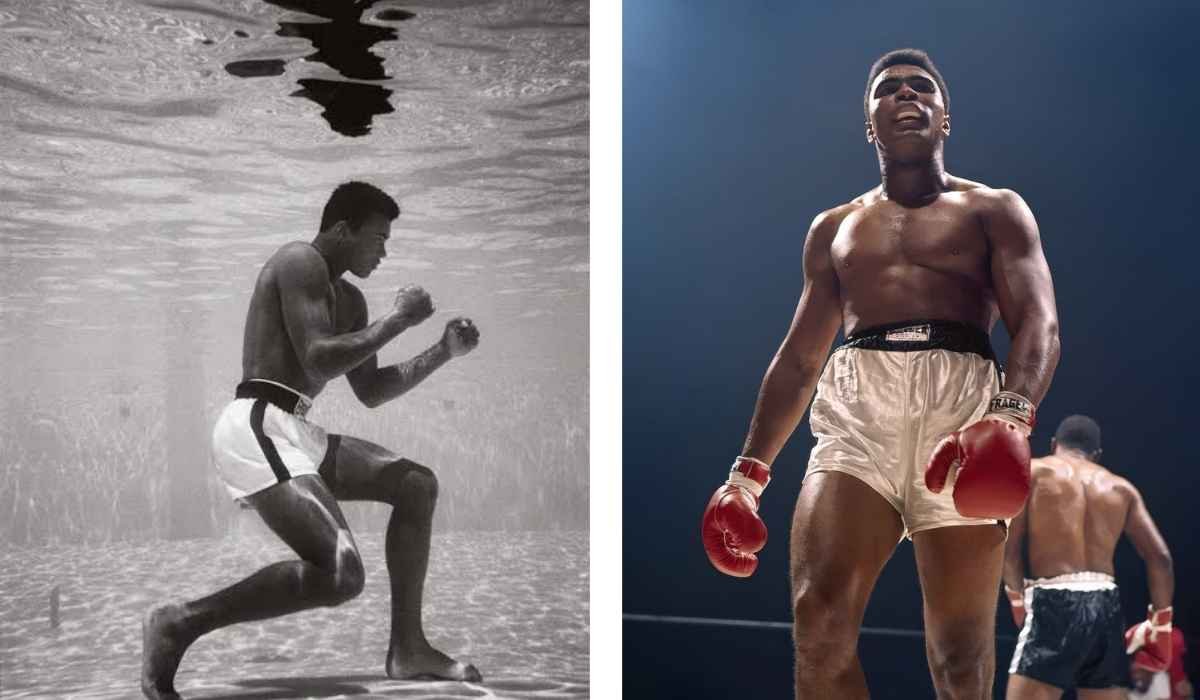
The captivating journey of sports history invariably circles back to the monumental impact of Muhammad Ali, whose electric charisma transcended the boxing ring to touch millions globally. Born in Louisville, Kentucky, this legendary fighter redefined athletic brilliance through unmatched speed, unorthodox skills, and unyielding confidence that forever changed professional sports culture. Beyond his dazzling footwork and precise punches, he stood firmly for his personal convictions, enduring exile and public scrutiny while remaining a steadfast symbol of resilience, grace, and unwavering social justice. His remarkable narrative continues to inspire generations who seek courage.
| Attribute | Details |
| Full Name | Cassius Marcellus Clay Jr. |
| Famous As | Muhammad Ali |
| Born | January 17, 1942 |
| Birthplace | Louisville, Kentucky |
| Died | June 3, 2016 |
| Profession | Professional Boxer and Activist |
| Nickname | The Greatest |
| Weight Class | Heavyweight |
Growing up in the American South during a period marked by heavy racial segregation shaped the early worldview of Muhammad Ali in profound ways. Discovering boxing at the tender age of twelve after his bicycle was stolen provided an outlet for his immense energy and natural athletic talents. Local police officer Joe Martin recognized his raw potential in the gym and began training him as an amateur competitor. Young Cassius dedicated countless hours to perfecting his craft, demonstrating an extraordinary work ethic that set him apart from his peers. These formative years laid strong foundations.

The dedication shown in local gyms soon propelled young fighters toward national recognition and prestigious amateur competitions across the United States. Traveling to Rome for the international games in nineteen sixty represented a monumental turning point for Muhammad Ali on the global stage. Displaying phenomenal agility and lightning-fast combinations, he dominated opponents with ease to capture the coveted light heavyweight gold medal. This magnificent triumph showcased his immense capability to a worldwide audience, signaling the birth of a future superstar. Returning home with the gold medal, he prepared eagerly for professional challenges ahead.
Transitioning to the professional ranks required discipline, strategic guidance, and relentless ambition to climb through a competitive heavyweight division. Managed by savvy boxing experts, Muhammad Ali began dismantling experienced contenders with his characteristic speed and flashy defensive maneuvers. Boxing critics often doubted his unorthodox style, which featured lowered hands and rapid lateral movement, yet he consistently proved them wrong inside the squared circle. Each victory built immense anticipation for a championship opportunity, transforming him into one of the most talked-about athletes in the entire sporting landscape during that era.

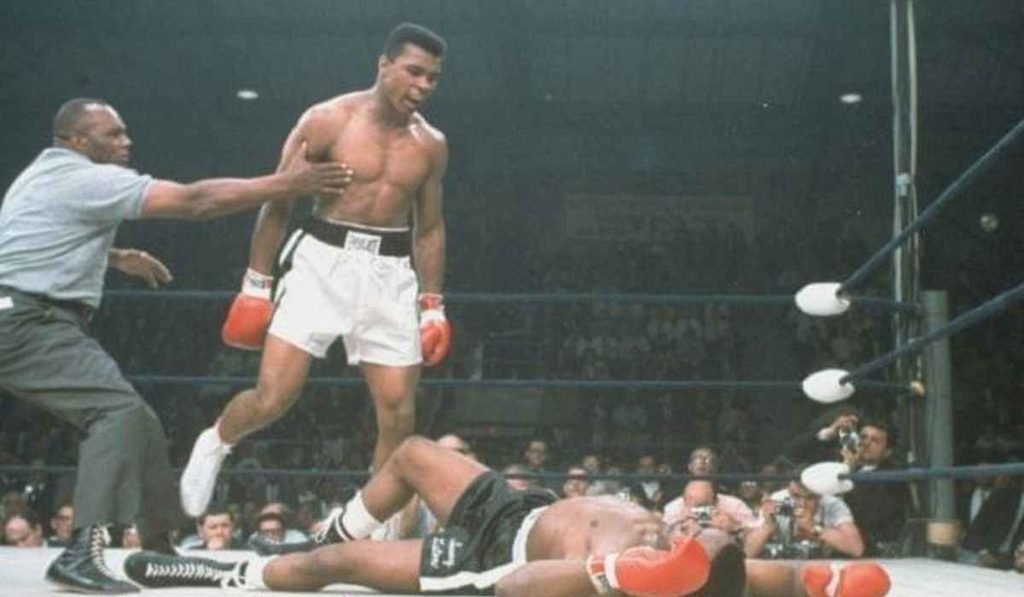
February nineteen sixty-four brought the ultimate test when the brash young contender challenged the fearsome and seemingly invincible heavyweight champion Sonny Liston. Pundits overwhelmingly favored the reigning champion, predicting a quick and brutal knockout victory over Muhammad Ali due to his perceived lack of raw power. Defying all expert predictions, the challenger utilized superior speed and tactical brilliance to frustrate the champion completely, forcing a corner retirement after the sixth round. Shaking the entire sports world, he joyfully proclaimed himself the greatest of all time.
Following his stunning championship victory, the iconic athlete made profound personal choices that deeply influenced his spiritual and public identity. Aligning himself with spiritual leaders, Muhammad Ali embraced a new faith that provided him with a deeper sense of purpose and community connection. He chose to discard his birth name, considering it a relic of historical oppression, and adopted a title that resonated with his beliefs. This spiritual awakening brought both immense inner peace and significant public controversy, testing his resolve as external societal pressures mounted against his independent choices.
Conscience and personal conviction were tested severely when government authorities ordered him to report for military induction during a turbulent wartime era. Refusing military service on religious grounds, Muhammad Ali chose to sacrifice his prime athletic years rather than compromise his deeply held moral principles and beliefs. This courageous stance led to immediate condemnation from mainstream media, the stripping of his championship title, and a lengthy legal battle that threatened total ruin. Despite overwhelming adversity, he stood resolutely tall, becoming an enduring symbol of peaceful resistance against unjust institutional authority.
Being barred from the sport he loved meant enduring a lengthy and agonizing professional absence at the absolute peak of his physical powers. During this difficult period of forced exile, Muhammad Ali traveled extensively across university campuses, delivering powerful speeches about civil rights, freedom, and human dignity. Students and activists embraced him as a champion of social justice, recognizing the heavy personal sacrifices he made for his convictions. Although boxing rings felt distant, his cultural influence expanded exponentially, cementing his status as a heroic voice for marginalized communities seeking true equality.
Legal victories eventually cleared the path for a long-awaited return to professional competition, much to the delight of boxing enthusiasts worldwide. Stepping back into the ring required immense physical conditioning as Muhammad Ali worked tirelessly to regain his championship form against dangerous opponents. Ring rust posed a significant challenge, yet his fierce competitive spirit and sharp mental acuity carried him through grueling encounters. Fans welcomed his signature theatrical flair and witty verbal exchanges, realizing that the sport’s most charismatic figure had finally returned to claim what rightfully belonged to him.
An undefeated rival named Joe Frazier stood ready to contest the heavyweight supremacy in an eagerly anticipated matchup dubbed the ultimate showdown. Both warriors engaged in a brutal war of attrition inside Madison Square Garden, trading devastating blows before massive crowds of enthusiastic spectators. Muhammad Ali fought valiantly, yet a powerful left hook in the final round secured a hard-fought decision victory for his formidable opponent. This unforgettable battle demonstrated unprecedented athletic heart, establishing a legendary rivalry that captivated sports fans across generations with its sheer competitive intensity and mutual respect.
Africa played host to one of the most extraordinary athletic spectacles in history when boxing promoters organized a legendary championship bout in Zaire. Facing the younger, immensely powerful knockout artist George Foreman, Muhammad Ali employed a brilliant tactical innovation known as the rope-a-dope strategy. Absorbing heavy blows while resting against the ropes, he allowed his aggressive opponent to punch himself into complete exhaustion before launching a stunning eighth-round knockout. Reclaiming the heavyweight crown against overwhelming odds sent waves of ecstatic celebration across the entire globe.
The storied rivalry reached its magnificent and brutal climax in the Philippines during a stiflingly hot environment known simply as the Thrilla in Manila. Two exhausted warriors pushed human endurance to absolute physical limits, exchanging punishing blows through fourteen grueling rounds of championship action. Muhammad Ali displayed staggering resilience, ultimately prevailing when his opponent’s corner asked to stop the fight prior to the final bell. This historic contest exacted a heavy toll on both competitors, etching their names permanently into the annals of legendary sporting achievements.
As advancing age and cumulative ring damage began affecting his reflexes, the legendary champion adjusted his fighting style to rely on tactical experience. Securing memorable victories and enduring tough losses, Muhammad Ali continued showcasing the competitive drive that defined his remarkable professional tenure. Fans admired his ability to adapt when physical attributes naturally declined, proving that mental toughness could overcome youthful exuberance. Every appearance drew massive television ratings, demonstrating that his magnetic pull over the sporting public remained completely undiminished regardless of age or fluctuating rankings.
Deciding to walk away from professional fighting marked the end of an unprecedented era in heavyweight boxing history and athletic entertainment. Stepping down permanently, Muhammad Ali left behind an astonishing career record filled with legendary triumphs, cultural milestones, and unforgettable moments of athletic mastery. Tributes poured in from international leaders, fellow competitors, and devoted fans who recognized his monumental contributions to sports and society alike. Retirement opened new doors for humanitarian work, allowing him to focus entirely on global philanthropy, peace missions, and charitable endeavors close to his heart.
Humanitarian work became the primary focus of his post-boxing life as he traveled extensively to champion charitable causes and international peace initiatives. Working tirelessly with organizations like UNICEF, Muhammad Ali visited refugee camps, delivered medical supplies, and comforted underprivileged children suffering across developing nations. His universal appeal bridged cultural and political divides, transforming him into a beloved ambassador of goodwill for humanity. People everywhere were deeply moved by his gentle compassion, proving that true greatness extends far beyond athletic trophies and championship belts earned in professional arenas.
Health challenges emerged in the form of a progressive neurological condition that gradually affected his physical movements and speech patterns significantly. Diagnosed with Parkinson’s syndrome, Muhammad Ali faced this debilitating illness with the same remarkable dignity, courage, and humor that characterized his legendary career. He never allowed the condition to dampen his radiant spirit or diminish his active involvement in public charity and philanthropic outreach. Supporters worldwide rallied around him, offering deep admiration as he bravely navigated personal adversity while continuing to uplift others through his enduring presence.
International recognition poured in continuously as governments, cultural institutions, and sports organizations honored his extraordinary impact on modern human history. Receiving the Presidential Medal of Freedom highlighted the profound respect Muhammad Ali earned across political spectrums for his civil rights advocacy. He was named Sportsman of the Century by prominent publications, cementing his timeless legacy as an icon of athletic excellence. These prestigious accolades served as fitting tributes to a man who literally and figuratively shook up the world through his unwavering commitment to justice.
Cultural influence radiated outward from his remarkable life, inspiring artists, musicians, writers, and civil rights leaders across multiple generations and diverse backgrounds. The poetic cadence of his speech and his bold confidence laid foundational elements for modern cultural expression, including the rise of hip-hop. Muhammad Ali showed individuals how to stand proudly against oppression and embrace their identity without fear or hesitation. His timeless philosophy continues to resonate in classrooms, community centers, and athletic complexes globally, ensuring that his revolutionary spirit remains vibrantly alive in contemporary society.
Although the physical journey of this remarkable champion concluded with his passing, his towering legacy remains a timeless beacon of human potential. Remembering Muhammad Ali means celebrating a life defined by courage, compassion, unyielding conviction, and unmatched athletic genius inside the ring. Memorial tributes echoed across nations, uniting people from all walks of life in profound gratitude for his extraordinary existence. He taught humanity that true greatness lies in the courage to stand for what is right, leaving an indelible imprint on the heart of global culture forever.