

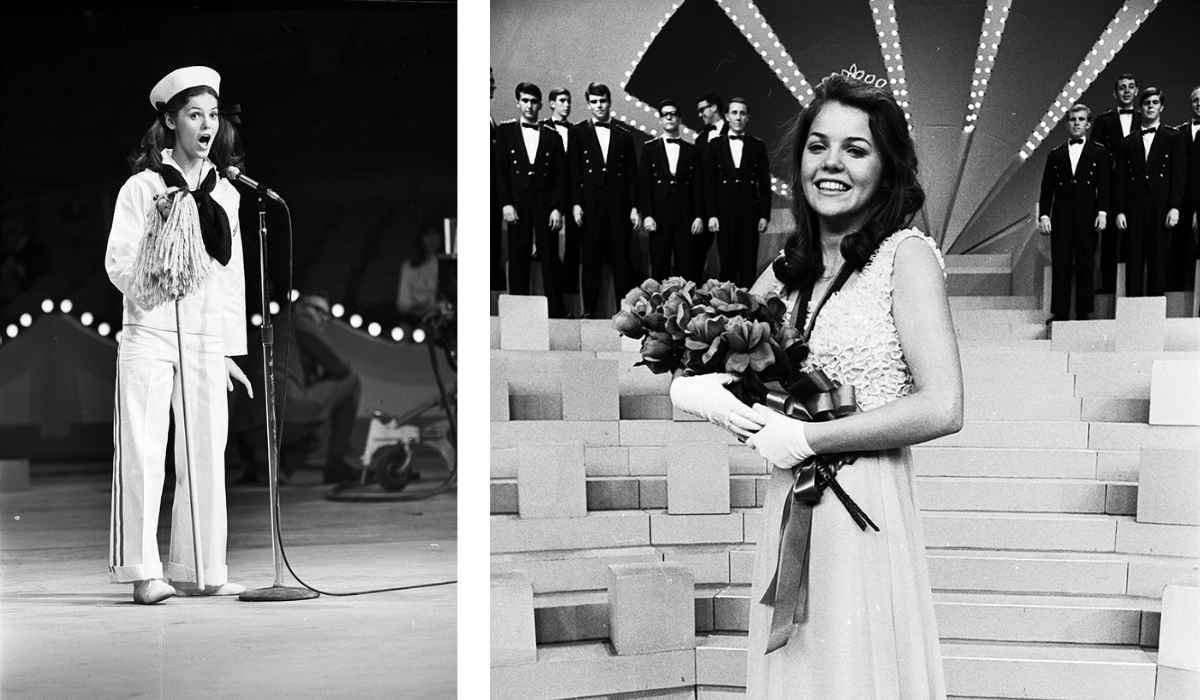
Melissa Babish stepped into the bright lights of national television and public awareness during a remarkable era of American pageantry. As a young woman growing up in Pittsburgh, Pennsylvania, she possessed a natural grace that captured the attention of judges and audiences alike. Long before digital media dominated everyday life, national pageants served as major cultural events where young achievers could showcase their poise, intelligence, and ambition.
Her journey to the crown was not merely a personal victory but a defining moment that propelled her directly into the center of 1960s pop culture history. Through dedication and charm, she managed to stand out among thousands of hopeful contestants across the United States. This introductory exploration sets the stage for understanding how one remarkable title changed the trajectory of her early life forever.
| Metric / Detail | Information |
| Full Name | Melissa Babish |
| Famous As | Winner of Miss Teenage America 1969 |
| Birthplace | Pittsburgh, Pennsylvania, United States |
| Notable Marriage | Former spouse of NFL legend Terry Bradshaw |
| Era Active | Late 1960s to early 1970s |
Melissa Babish grew up in the vibrant city of Pittsburgh, Pennsylvania, where her early years were shaped by the classic traditions of mid-century American life. Family values, education, and community involvement formed the core foundation of her upbringing in the bustling industrial region. Friends and peers often remembered her as a polite, ambitious individual who showed a natural talent for public presentation and social engagement.
Even before stepping onto the national stage, she cultivated a strong sense of discipline and personal style that would later serve her well in competitive environments. The supportive local atmosphere of her hometown provided the ideal backdrop for a young woman with big aspirations to develop her unique capabilities and prepare for future public endeavors.
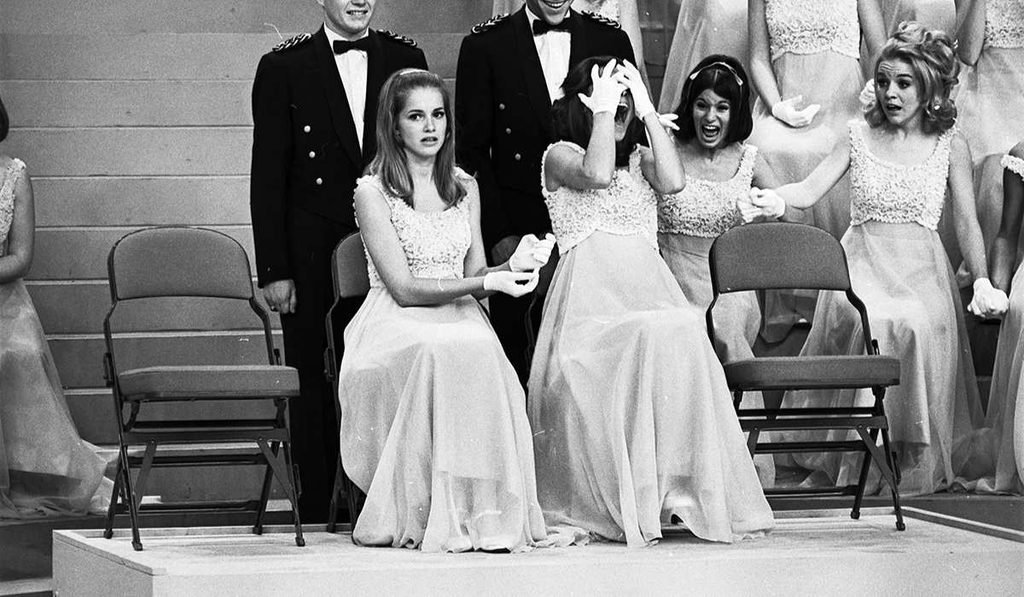
The journey toward winning a national title required intense preparation, dedication, and an ability to remain poised under immense pressure. Melissa Babish navigated local and regional preliminary competitions with remarkable confidence, impressing judges through her intelligence, conversational skills, and stage presence. Every detail of her presentation, from public speaking to wardrobe selection, was carefully curated to meet the high standards of the late 1960s pageant circuit. Competitors from all over the country brought their absolute best, making the regional elimination rounds fierce and challenging. Her ability to project genuine warmth and authenticity helped her rise steadily through the ranks, ultimately securing her spot as a top contender for the ultimate national crown.
The pinnacle of her early public career arrived when Melissa Babish was officially crowned Miss Teenage America. This prestigious victory brought immediate national recognition, thrusting her into a whirlwind of television appearances, photo shoots, and civic engagements. Icons of the entertainment industry, including legendary host Dick Clark, welcomed her into the national spotlight as a shining representative of American youth. The title opened doors to numerous exclusive opportunities, allowing her to travel across the country and interact with prominent cultural figures of the era. Winning this crown meant far more than holding a temporary title; it established Melissa Babish as a recognized pop culture benchmark of late-sixties teenage elegance and ambition.

Following her major pageant victory, Melissa Babish experienced a lifestyle defined by constant public attention, media interviews, and high-profile social events. Navigating this sudden fame demanded maturity and adaptability, traits that she displayed consistently while representing the Miss Teenage America organization. Magazines, newspapers, and television broadcasts frequently featured her likeness, cementing her status as a recognizable face across households nationwide. Despite the demanding schedule of public appearances, she maintained her poise and handled the pressures of sudden celebrity with remarkable grace. This intensive period in the national spotlight left a lasting imprint on her life story, transforming an ordinary student from Pittsburgh into a widely recognized public figure.
A significant highlight of her reign involved working closely with legendary television producer and host Dick Clark. As the mastermind behind the Miss Teenage America pageant, Clark played a pivotal role in guiding Melissa Babish through her duties as reigning titleholder. Participating in broadcasts and promotional tours under his mentorship provided her with invaluable insight into the inner workings of the television and entertainment industries. These professional engagements allowed her to hone her public speaking abilities and project confidence in front of millions of home viewers. Her association with such a monumental figure in American broadcasting further elevated her status and ensured that her reign remained memorable within television history.

As her reign as Miss Teenage America concluded, Melissa Babish faced the classic challenge of transitioning from teenage stardom into adult life. Stepping away from the daily demands of the pageant circuit allowed her to refocus on her personal goals, education, and long-term future. Many individuals who experience early fame find it difficult to readjust to a normal routine, but she approached this transitional phase with grounded pragmatism. Friends and associates noted her ability to balance the memories of her extraordinary youth with practical aspirations for her upcoming adult years. This crucial phase marked the evolution of Melissa Babish from a nationally celebrated teenager into a mature, independent woman ready for new life chapters.
Public interest in Melissa Babish surged once again when she became romantically linked to burgeoning athletic superstar Terry Bradshaw. As Bradshaw rose to fame as the star quarterback for the Pittsburgh Steelers, their relationship captured the intense fascination of sports fans and media outlets alike. The pairing of a celebrated former national pageant queen with an iconic NFL athlete created a quintessential power couple of the era. Their wedding brought together the worlds of high-stakes professional sports and entertainment pageantry, generating widespread headlines across national newspapers. This marriage placed Melissa Babish right at the heart of America’s growing obsession with sports culture and celebrity lifestyles during the early 1970s.
Living in Pittsburgh during the height of Terry Bradshaw’s early career meant that Melissa Babish was immersed in a city utterly obsessed with professional football. The Steelers were building their legendary dynasty under head coach Chuck Noll, transforming the local community into the epicenter of the sports world. Being married to the team’s primary quarterback brought unique pressures, public expectations, and constant media scrutiny. She attended high-stakes games and participated in the vibrant social scene surrounding the franchise’s historic rise. This era required her to balance her own personal identity with the overwhelming public demands of being married to one of the most famous athletes in America.
Being married to a professional athlete during a period of rapid career ascent comes with distinct challenges that tested the resilience of Melissa Babish. The relentless media attention, combined with the rigorous travel schedules and physical demands of professional football, placed immense pressure on their young relationship. While fans saw only the glamorous side of championship victories and public celebrations, private life involved navigating the stress of constant public exposure. Maintaining stability under such intense scrutiny required immense patience and mutual understanding. Ultimately, these unique circumstances shaped the personal life experiences of Melissa Babish during her formative early adult years.
By the early 1970s, the paths of Melissa Babish and Terry Bradshaw diverged, leading to the amicable conclusion of their marriage. Divorce is always a challenging personal milestone, especially when experienced under the unyielding glare of public media attention and sports fandom. Both individuals chose to handle the separation privately, focusing on their respective futures and personal growth away from each other. Closing this chapter allowed Melissa Babish to step back from the intense sports media spotlight that had defined much of her early adulthood. This pivotal moment enabled her to forge an independent path and chart a brand new course for her life on her own terms.
Following the conclusion of her marriage, Melissa Babish made the deliberate choice to step away from public life and media scrutiny. Unlike many public figures who chase continuous fame, she valued privacy, peace, and the freedom to live away from flashing cameras and gossip columns. This intentional retreat allowed her to build a quiet, grounded existence focused on personal fulfillment rather than public applause. Friends and family respected her boundary, ensuring that her personal endeavors remained shielded from sensationalist journalism. By choosing anonymity, Melissa Babish successfully reclaimed ownership of her narrative, proving that life after intense early fame can be peaceful and deeply fulfilling.
Even decades after stepping away from the spotlight, the legacy of Melissa Babish remains an interesting footnote in the history of American beauty pageants. Her reign as Miss Teenage America captured a specific cultural aesthetic of the late 1960s, reflecting the values, fashion, and social norms of that vibrant generation. Historians of pop culture frequently examine this era to understand how televised pageants influenced youth culture and media consumption habits. Her success serves as a reminder of a bygone era when pageant winners achieved household-name status across the nation. Through her accomplishments, Melissa Babish secured a permanent place within the nostalgic archives of American television and entertainment history.
The landscape of youth competitions experienced massive transformations in the decades following the reign of Melissa Babish. What began as traditional poise contests evolved into modern scholarship programs emphasizing academic achievement, leadership, and community service. Examining the era when she won Miss Teenage America highlights how societal expectations for young women shifted over time. Organizers modernised formats to empower participants with professional skills, public speaking training, and educational grants. Although formats changed dramatically, the foundational spirit of recognizing ambitious young women traces its roots back to the influential years when icons like Melissa Babish first captured the nation’s imagination on television.
The late 1960s represented a fascinating cultural crossroads in American history, characterized by shifting fashion, musical revolutions, and changing media landscapes. Melissa Babish stood out as a quintessential symbol of wholesome teenage aspiration during a decade defined by rapid social transformation. While major political and countercultural movements dominated the headlines, traditional institutions like youth pageants still held immense sway over mainstream popular entertainment. Figures like her provided a comforting, elegant counterpoint to the turbulent news of the era. Remembering her contribution offers modern audiences a window into the simpler, television-centric pop culture ecosystem that defined mid-century American society.
Throughout her early life and high-profile relationships, the city of Pittsburgh remained a central anchor in the personal identity of Melissa Babish. Known for its hardworking spirit, industrial heritage, and fiercely loyal sports culture, Pittsburgh produced a remarkable number of notable figures during that era. Local newspapers and community members took immense pride in watching a local hometown representative achieve national acclaim on television. Whether celebrating her victory as Miss Teenage America or following her presence in the local sports scene, the city embraced her as one of its own. This enduring regional connection highlights the strong community roots that grounded her throughout her years in the public eye.
In the modern digital age, historians, retro enthusiasts, and pop culture researchers frequently revive old archives featuring Melissa Babish. Vintage television clips, black-and-white press photographs, and archived newspaper clippings circulate widely across online platforms, sparking curiosity about her life. People are often fascinated by how celebrity culture functioned before the advent of social media, looking back at simpler times with a sense of nostalgia. These digital artifacts ensure that her historical footprint remains intact, allowing new generations to discover her unique journey. This ongoing retro fascination proves that compelling human stories from the 1960s continue to captivate modern audiences online.
The life story of Melissa Babish offers a powerful lesson on the importance of choosing personal peace over perpetual celebrity. In a modern world obsessed with constant digital exposure and viral fame, her deliberate retreat into a private life stands out as a wise choice. By stepping away from the cameras, she protected her mental well-being and cultivated a meaningful existence outside the confines of public expectation. True success often lies in knowing when to walk away from external validation to focus on internal happiness and quiet stability. Her post-fame trajectory serves as a quiet inspiration for anyone seeking tranquility in an increasingly loud and intrusive media environment.
Looking back across the decades, the journey of Melissa Babish remains a captivating narrative of early success, high-profile romance, and graceful withdrawal. From her roots in Pittsburgh to the national television stage and the intense world of professional sports media, she experienced a lifetime of unique milestones before most people even reach adulthood. Her ability to navigate both adulation and obscurity with quiet dignity defines her enduring legacy in American popular culture. Though she chose a life far away from the headlines, her name continues to evoke curiosity and respect. The story of Melissa Babish endures as a fascinating chapter in the rich tapestry of mid-century American celebrity history.
The enduring curiosity surrounding Melissa Babish proves that compelling personal histories leave an indelible mark on collective memory. Whether remembered for her poise on the pageant stage or her early connection to football royalty, she remains a classic symbol of a bygone entertainment era. Her choice to embrace privacy cemented her legacy as someone who lived life entirely on her own terms. History remembers her not just for the titles she held or the people she married, but for the grace with which she transitioned into a quiet, peaceful life. The remarkable journey of Melissa Babish will forever hold a unique, nostalgic place within the annals of retro pop culture.