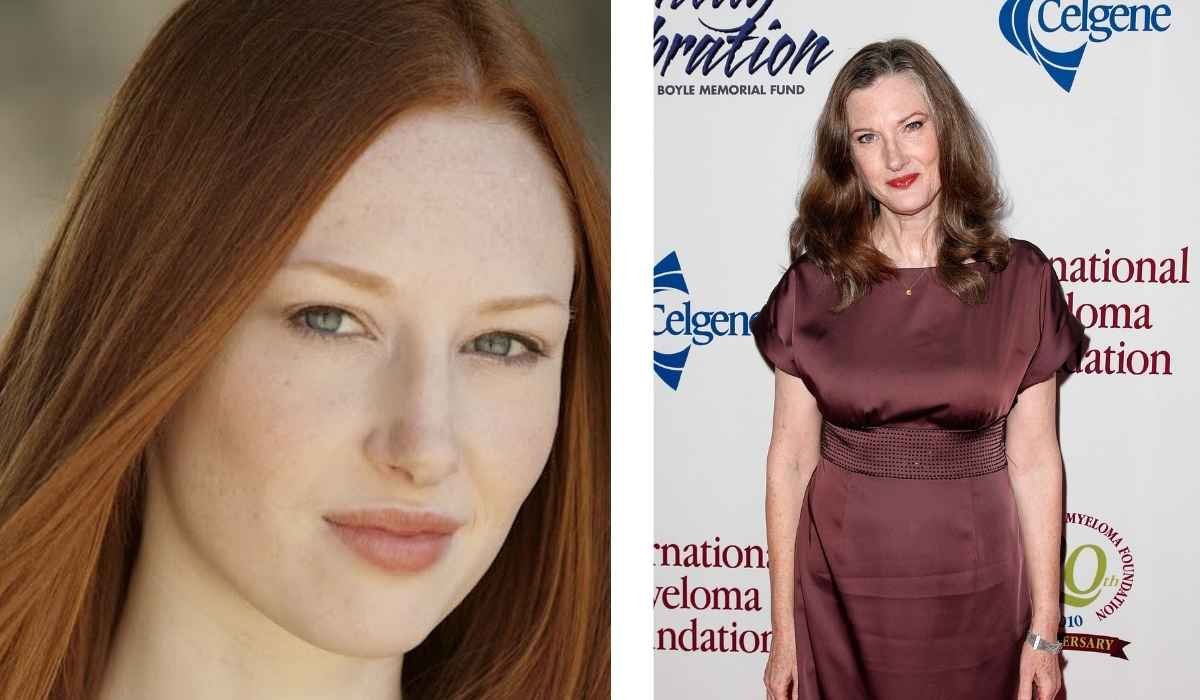


Cynthia Blaise is an American actress, dialect coach, voice and speech trainer, and theatre educator whose work has contributed to film, television, and stage productions. Although many people recognize her because of her former marriage to comedian and actor Keegan-Michael Key, her professional background extends well beyond her personal relationships. Her acting credits include Star Trek V: The Final Frontier, while her work behind the scenes has involved helping performers develop believable accents, speech patterns, and character voices.
| Quick Bio | Details |
|---|---|
| Full name | Cynthia Blaise |
| Nationality | American |
| Profession | Actress, dialect coach, voice trainer, educator |
| Education | University of Oregon and University of California, Irvine |
| Known for | Acting and professional dialect coaching |
| Notable acting credit | Star Trek V: The Final Frontier |
| Former husband | Keegan-Michael Key |
| Marriage | 1998–2017 |
| Children | No children reported from her marriage to Key |
| Public profile | Primarily associated with theatre, acting, and voice coaching |
Cynthia Blaise is a performing arts professional who has worked in acting, dialect coaching, voice training, and theatre education. Her career combines on-screen experience with specialized work that helps other actors portray characters more naturally. While her former marriage to Keegan-Michael Key has attracted public curiosity, her own professional achievements are an important part of her biography. Her background illustrates how acting involves much more than memorizing lines, with voice, pronunciation, rhythm, and regional speech all contributing to a believable performance.
Public information about her childhood, parents, and upbringing is limited. Biographical and entertainment databases commonly identify her as American, but detailed accounts of her early family life are not widely documented by authoritative sources. Rather than assuming details about her childhood, it is more useful to examine the education and professional training that shaped her career. Her later work in theatre and dialect coaching suggests a strong commitment to performance, communication, and the technical aspects of spoken language.

Several entertainment databases report that she was born on January 12, 1958. If that date is accurate, she would be 68 years old in 2026.
Formal education played an important role in Blaise’s professional development. According to the International Dialects of English Archive (IDEA), she earned a Bachelor of Arts in Theatre from the University of Oregon and a Master of Fine Arts in Acting from the University of California, Irvine. She also studied under theatre director Jerzy Grotowski.
Blaise developed her career through theatre and screen acting before becoming widely associated with behind-the-scenes vocal work. Her professional experience spans performance, directing, and teaching, giving her an understanding of acting from several perspectives. The entertainment industry requires performers to communicate emotions convincingly, and her background helped her work with these demands. Rather than relying on celebrity attention, she established professional credentials through training and practical experience across different forms of performance.
One of her recognizable screen credits is Star Trek V: The Final Frontier, the 1989 science-fiction film directed by William Shatner. Entertainment databases list her among the performers associated with the production.
The film remains part of the long-running Star Trek franchise, making it a notable entry in her acting history. Although the role was not the beginning of a major celebrity career, it remains one of the credits people discover when researching her professional background.
Cynthia Blaise screen work extends beyond one science-fiction film. Entertainment databases associate her with projects including Timequest, Hardcore Henry, Miami Vice, Key & Peele, and Robot Chicken.
These productions cover different formats and genres, from scripted television and comedy to feature films. The variety reflects the range of opportunities available to performers who work in both traditional acting and specialist production roles. Individual credits should always be checked against professional databases because acting, dialogue coaching, and dialect coaching are separate responsibilities.
A dialect coach helps actors reproduce accents, pronunciation, speech rhythms, and regional language patterns for a role. The work can involve researching how people speak in a particular location, listening to recordings, practicing difficult sounds, and refining an actor’s delivery. Coaches also help performers maintain consistent speech throughout filming, even when scenes are recorded out of sequence. This specialized profession combines linguistic observation with acting technique, helping audiences believe that a character comes from a particular place or background.
Much of her professional reputation comes from work that audiences may never notice directly. A dialect coach does not usually appear in the finished film as a visible character, yet their guidance can shape how convincing the dialogue sounds. IDEA identifies Blaise as a freelance dialect coach and an associate editor-at-large. Its biography also documents her work in film and television, including Bad Teacher, The Five-Year Engagement, Touch, and American Horror Story.
Her professional credits include work associated with 8 Mile, Bad Teacher, Faster, Miami Vice, Bandidas, and The Tiger Hunter.
These productions differ in setting, tone, and character requirements, demonstrating the practical demands of dialect work. Each project can require different research and coaching techniques, depending on the role and the actor’s existing speech patterns. Credit listings sometimes distinguish between dialect coach, dialogue coach, and additional coaching, so those job titles should not be treated as interchangeable.
The film 8 Mile, released in 2002, is known for its portrayal of Detroit’s hip-hop scene and its emphasis on regional identity, music, and everyday speech. Blaise is associated with the film through dialect-coaching credits in entertainment biographies.
Bad Teacher is another film associated with her dialect-coaching career. A contemporary comedy may not appear to demand as much accent preparation as a historical drama, but believable speech still matters. Actors must deliver lines naturally while maintaining timing, character personality, and emotional clarity. Coaching can help performers avoid inconsistent pronunciations or distracting speech patterns. Her professional biography specifically lists this production among her film and television credits, providing a documented example of her behind-the-scenes work.
Television work brings its own challenges for dialect coaches because a series may require characters to maintain a consistent accent across multiple episodes. Blaise’s listed television credits include Touch and American Horror Story.
Teaching was another significant part of her career. IDEA reports that she taught voice, speech, and acting for 14 years at institutions including Temple University, Wayne State University, and the University of Illinois at Chicago.
University teaching requires more than practical performance knowledge; it also involves helping students understand techniques and apply them independently. Her academic background allowed her to work with aspiring performers in a structured environment while continuing to develop her experience in professional theatre and screen productions.
Directing provided another way for her to contribute to the performing arts. Her academic directing credits include productions such as The Cripple of Inishmaan, Equus, and Crimes of the Heart.
Theatre directors help actors interpret scripts, establish relationships between characters, and communicate a story to an audience. A background in voice and speech can be particularly valuable when shaping dialogue-heavy scenes. This part of her career demonstrates that her experience extended beyond individual performances into the wider creative process of producing theatre.
Blaise’s professional biography identifies her as a certified associate in Fitzmaurice Voicework.
Voice training can help performers develop awareness of breathing, vocal freedom, articulation, and expressive range. These abilities are useful in theatre, film, and other forms of public performance. A voice trainer may help an actor communicate clearly without losing emotional nuance or straining to produce a particular sound. This specialist training adds another dimension to her professional profile beyond conventional acting credits.
IDEA, the International Dialects of English Archive, collects recordings and descriptions of English accents and dialects from speakers around the world. Its purpose is to provide useful reference material for performers, researchers, teachers, and others interested in spoken language.
Blaise contributes to this professional resource and is listed as an associate editor-at-large. Such work supports a broader understanding of speech variation and provides actors with examples they can study when preparing for roles that require a different accent.
A strong performance depends on more than the words written in a script. Actors must understand the character’s intentions, emotions, background, and relationships. Voice and dialect specialists help make the spoken part of that performance convincing. Blaise’s combined experience in acting, directing, teaching, and dialect coaching reflects this interconnected approach. Her career shows how technical preparation can support creative freedom: once performers become comfortable with speech patterns, they can focus more fully on their character’s emotional journey.
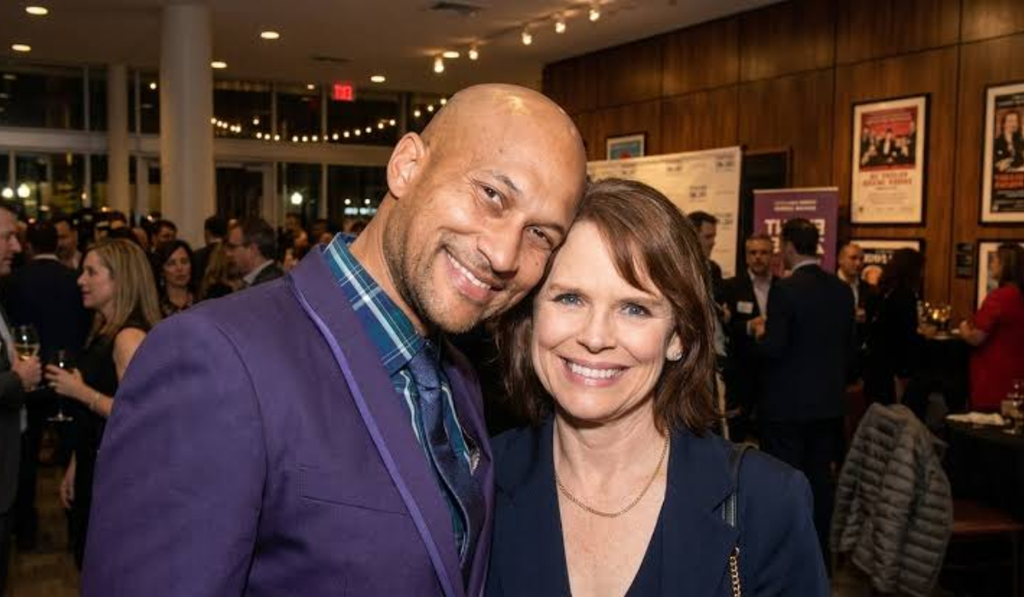
Public interest in her personal life increased because of her relationship with comedian and actor Keegan-Michael Key. Biographical accounts report that they met through theatre work in Detroit, where their shared interests in performance created common ground. Key later became widely recognized through sketch comedy, especially Key & Peele, but his career developed over time. Their relationship began before that wider fame, when both were connected to the performing arts and building their professional lives.
Blaise and Key married in 1998. Their marriage ended after a separation in November 2015, and their divorce was finalized in November 2017.
The relationship lasted nearly two decades, covering important periods in both of their lives. Key’s public career expanded substantially during the marriage, while Blaise maintained her own work in acting, teaching, and dialect coaching. Their timeline is a documented part of her biography, although many details of their private relationship remain personal.
Entertainment sources commonly report that Blaise was born in 1958, while Key was born in 1971. If those birth years are accurate, she was approximately 13 years older than him.
The age difference has often attracted attention in online biographies, but it does not explain the full story of their relationship. They shared an interest in performance and remained married for many years. Personal relationships are complex, and age alone cannot establish why a marriage succeeds or eventually ends.
Public biographies generally report that Blaise and Key did not have children together.
Because family details can be repeated inaccurately across entertainment websites, it is best to avoid extending that information into unsupported claims about their private decisions. What is publicly documented about her career remains much clearer than many aspects of her personal life. Her professional identity is defined primarily by acting, theatre education, and dialect coaching rather than by parenthood or other private family matters.
Their separation in 2015 and divorce in 2017 brought increased media attention to the relationship. Reports about the proceedings discussed financial and personal issues, but such coverage should be read carefully and attributed to the sources reporting it.
Divorce is a private and often complicated experience, and isolated headlines cannot provide a complete understanding of a relationship. A balanced biography acknowledges the publicly reported timeline without treating speculation about motives or personal feelings as established fact.
After the divorce, Blaise remained much less visible in entertainment news than her former husband. Limited public coverage does not mean a person has no professional interests or activities; it simply means there is less reliable information available about their private circumstances. Her professional profile with IDEA documents her work as a dialect coach and states that she continues to act and teach as her schedule allows.
People connected to well-known performers can become subjects of public curiosity even when they have not sought celebrity status themselves. Blaise’s experience illustrates the difference between professional recognition and media attention arising from a relationship. Her work is documented through professional biographies and production credits, while many details about her personal routines and present circumstances remain private. Respecting that distinction helps readers understand her career without assuming that every aspect of her life must be publicly available.
There is no independently verified public figure that can confidently establish her current net worth. Online celebrity biographies sometimes publish estimates, but those figures may not be supported by audited financial statements or reliable documentation. A person’s income can come from different sources, including coaching contracts, acting, teaching, and other professional work, and it can change over time. For that reason, it would be misleading to present an online estimate as a confirmed financial fact. Her documented professional experience is a stronger basis for understanding her career than speculative wealth figures.
Her professional achievements are best understood through her contributions to acting, theatre education, and dialect coaching. The International Dialects of English Archive recognizes her specialist experience and editorial contribution to its collection of dialect resources.
Although behind-the-scenes professionals may not receive the same attention as lead actors, their work can significantly influence a production’s quality. Her career demonstrates the value of specialized training, artistic versatility, and years of experience in the performing arts.
Dialect coaching requires patience, research, and close collaboration. Actors may need to learn unfamiliar sounds, adjust their natural speaking habits, and maintain a consistent accent during demanding shooting schedules. Coaches must adapt their methods to individual performers and the requirements of each production. These responsibilities are not always visible to viewers, but they form an important part of filmmaking. Experience in acting and teaching can help a coach explain complicated vocal techniques in practical ways that performers can apply.
Reliable public information about her current personal activities is limited. Her professional profile on the International Dialects of English Archive identifies her as an associate editor-at-large and freelance dialect coach, with acting and teaching continuing as her schedule allows.
Readers should be cautious about websites that claim to know her precise location, relationship status, or daily routine without credible evidence. Her established professional background offers a more dependable picture than speculation about her private life.
Her career is an example of how success in entertainment can take many forms. Some professionals become household names through starring roles, while others build long careers through coaching, education, directing, and supporting fellow performers. Her work combines several of these paths and highlights the importance of voice and speech in storytelling. Looking beyond celebrity relationships provides a fuller understanding of her achievements and shows why specialist artists deserve recognition for the contributions they make to film, television, and theatre.
The story of this American performer and dialect specialist connects formal theatre education, acting experience, university teaching, and behind-the-scenes film work. Her former marriage to Keegan-Michael Key remains a significant reason for public interest, but it is only one part of her life. Her professional record demonstrates the value of technical skill and artistic dedication. For readers researching her background, the most useful approach is to prioritize documented credits and professional biographies while treating uncertain personal and financial claims carefully.
1. Who is Cynthia Blaise?
– She is an American actress, dialect coach, voice and speech trainer, and theatre educator known for her work in film, television, and theatre.
2. What is she famous for?
– She is known for her acting credit in Star Trek V: The Final Frontier and her dialect-coaching work on film and television productions.
3. Was she married to Keegan-Michael Key?
– Yes, they married in 1998, separated in 2015, and finalized their divorce in 2017.
4. Did Cynthia Blaise and Keegan-Michael Key have children?
– Public biographies generally report that they did not have children together.
5. What is her educational background?
– She earned a BA in Theatre from the University of Oregon and an MFA in Acting from the University of California, Irvine