

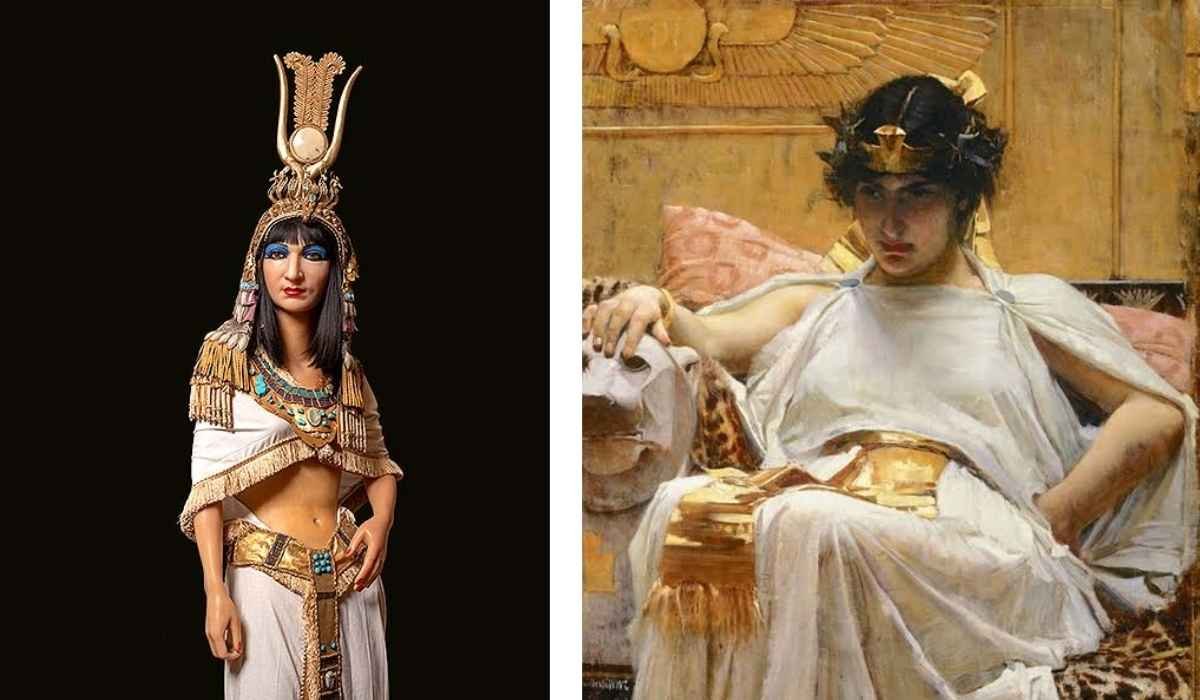
The majestic history of the ancient Mediterranean world features countless powerful rulers, yet few capture the imagination quite like Cleopatra. As the final active ruler of the Ptolemaic Kingdom of Egypt, this legendary queen navigated a treacherous landscape of shifting Roman alliances, royal rivalries, and immense geopolitical pressure with astonishing skill. Far from being merely a romantic archetype, she was a brilliant strategist, a linguistic savant, and a dedicated sovereign who fought relentlessly to preserve her nation’s independence during a period of relentless imperial expansion. Her captivating life story continues to inspire countless historical analyses, literary works, and cultural depictions across the globe.
| Attribute | Detail |
| Name | Cleopatra VII Thea Philopator |
| Birth Year | 69 BC |
| Death Year | 30 BC |
| Role | Queen of the Ptolemaic Kingdom of Egypt |
| Dynasty | Ptolemaic Dynasty |
| Famous Alliances | Julius Caesar, Mark Antony |
The fascinating journey of Cleopatra began in Alexandria, a vibrant cultural epicenter filled with scholars, philosophers, and artists from across the classical world. Born in sixty-nine BC, she belonged to the Macedonian Greek dynasty founded by Ptolemy the First Soter, a trusted general of Alexander the Great. Despite her Greek ancestry, she immersed herself deeply in the customs and traditions of her homeland. Growing up within the opulent yet politically unstable royal court prepared her for the immense responsibilities she would soon inherit. Her formative years laid a strong foundation for the intellectual brilliance that would define her controversial reign over Cleopatra.
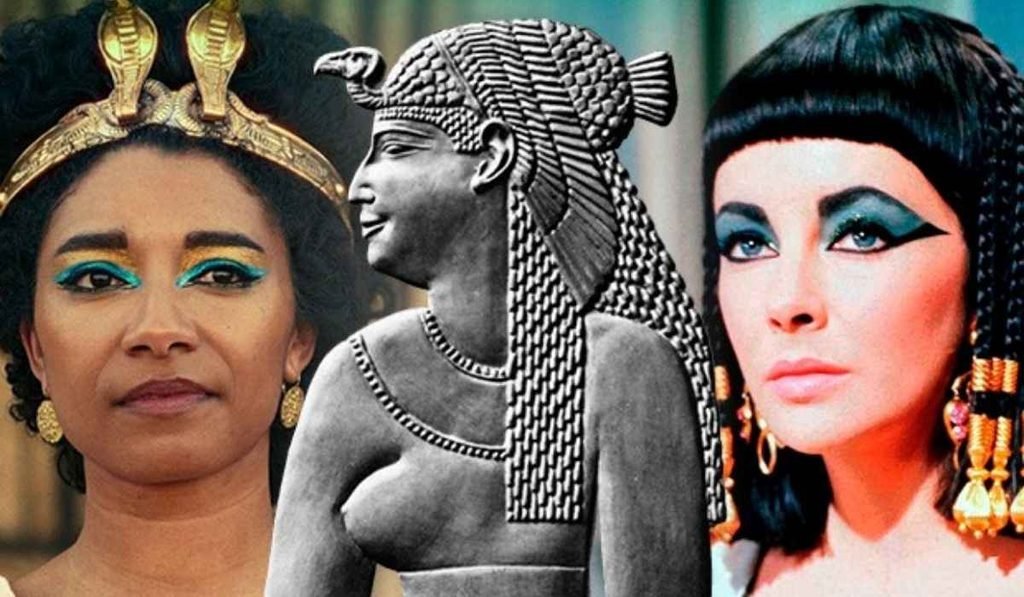
Unlike many royal women of her era, Cleopatra received an extraordinary and comprehensive education spanning philosophy, mathematics, astronomy, and rhetoric. Historical accounts indicate that she possessed an incredible aptitude for languages, becoming fluent in at least nine different tongues, including Ethiopian, Hebrew, Arabic, and Syriac. Crucially, she was the only ruler in her dynasty to master the native Egyptian language, allowing her to communicate directly with her subjects without relying on translators. This linguistic versatility greatly enhanced her diplomatic capabilities, enabling her to forge direct connections with foreign dignitaries and foster deep loyalty among native Egyptians who viewed Cleopatra.
Following the death of her father, Ptolemy the Twelfth Auletes, in fifty-one BC, eighteen-year-old Cleopatra ascended to the Egyptian throne alongside her younger brother, Ptolemy the Thirteenth. According to customary dynastic practice, the young siblings were paired in an uneasy joint rule meant to stabilize the kingdom amidst growing financial and external pressures. However, tensions quickly flared as ambitious advisors sought to marginalize the queen and seize absolute control for themselves. This bitter power struggle forced Cleopatra into temporary exile, setting the stage for a dramatic political comeback that would alter the course of ancient history regarding Cleopatra.

Facing imminent danger from her brother’s faction, Cleopatra fled to the eastern frontiers to build an army and reclaim her rightful position. During this period of exile, she demonstrated remarkable tenacity and resourcefulness, refusing to surrender her crown to domestic rivals. When the Roman general Julius Caesar arrived in Alexandria in pursuit of his rival Pompey, the clever queen recognized a golden opportunity to leverage Roman military might for her own domestic restoration. Utilizing legendary ingenuity to bypass palace guards and secure a private audience with Caesar, she instantly captivated the Roman leader with her extraordinary intellect and charm concerning Cleopatra.
The strategic partnership between Cleopatra and Julius Caesar transformed the political landscape of the ancient Mediterranean and secured her grip on the Egyptian crown. Following a brief civil conflict in Alexandria that resulted in the death of Ptolemy the Thirteenth, Caesar restored the queen to power alongside a younger brother. Their subsequent relationship blossomed into both a powerful political alliance and a romantic liaison, resulting in the birth of her son, Ptolemy Caesar, commonly known as Caesarion. This high-profile union not only guaranteed Roman backing for her administration but also cemented her status as a dominant geopolitical player associated with Cleopatra.
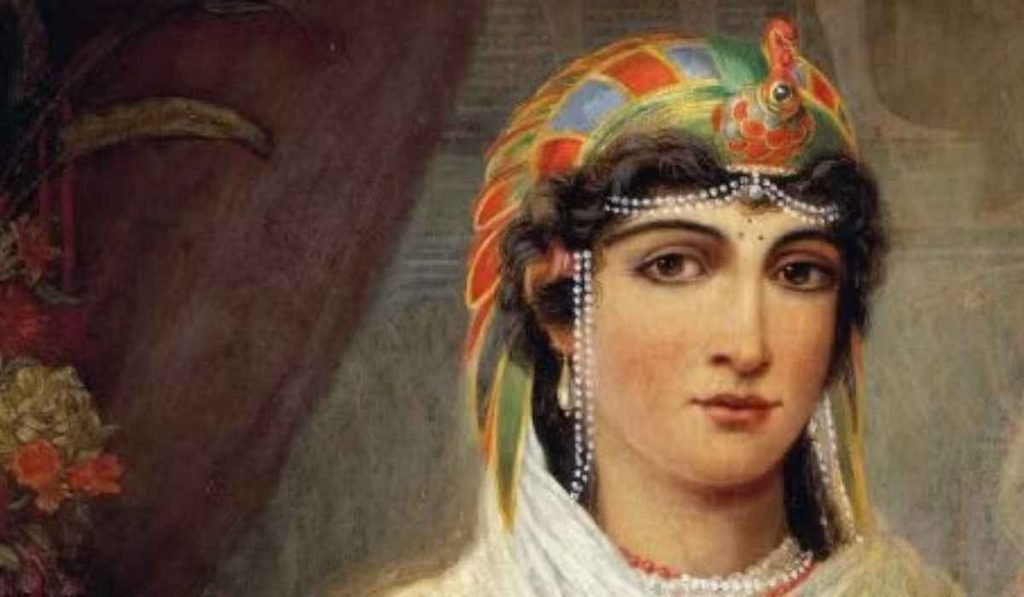
As a sovereign, Cleopatra understood the immense value of public relations and carefully crafted her public image to resonate with diverse populations. During religious ceremonies and public appearances, she frequently presented herself as the living incarnation of the goddess Isis, bridging the gap between Greek ruling elites and traditional Egyptian worshippers. She invested heavily in commerce, agriculture, and public welfare initiatives, ensuring that her subjects felt supported during times of economic hardship. Her charisma and deliberate self-presentation fostered widespread admiration among the common people, who deeply respected the administrative prowess demonstrated daily by Cleopatra.
The assassination of Julius Caesar in forty-four BC delivered a devastating blow to Cleopatra’s grand political strategy and plunged Rome into a violent civil war. Finding herself suddenly isolated in a hostile foreign capital with her infant son, she quickly recognized that her safety and Egypt’s autonomy were severely compromised. Acting decisively, she fled Italy and returned safely to Alexandria, where she immediately began taking precautionary measures to safeguard her borders. The sudden loss of her primary Roman ally required her to rethink her foreign policy entirely while maintaining internal stability under Cleopatra.
Following the defeat of Caesar’s assassins, the Roman triumvir Mark Antony summoned Cleopatra to Tarsus in forty-one BC to answer for her alleged lack of support during the recent civil conflict. Rather than appearing as a submissive client monarch, the queen orchestrated a magnificent, theatrical entrance aboard a golden barge dressed in the robes of Isis, completely mesmerizing the Roman general. This legendary encounter ignited a passionate romance and a formidable political partnership that would dominate the eastern Mediterranean for over a decade, uniting two powerful figures through their shared ambitions tied to Cleopatra.
The alliance between Cleopatra and Mark Antony yielded immense political dividends, resulting in joint military campaigns and the expansion of Ptolemaic territory across parts of the Levant and North Africa. Together, they formed a powerful administrative unit that rivaled the rising power of Octavian in Rome. Cleopatra provided crucial financial backing and military resources for Antony’s campaigns, while Antony formally recognized Caesarion as Caesar’s legitimate heir. These bold maneuvers significantly bolstered their regional influence but simultaneously escalated tensions with Octavian, who weaponized anti-Egyptian sentiment in Rome against Cleopatra.
As Antony and Cleopatra grew increasingly close, Octavian launched a fierce propaganda campaign in Rome, painting the Egyptian queen as a dangerous temptress seeking to subvert Roman values. Octavian successfully manipulated public opinion, portraying Antony as a man bewitched and manipulated by a foreign monarch who had abandoned his ancestral duties. This aggressive rhetoric ultimately convinced the Roman Senate to declare war not against Antony, but specifically against Cleopatra, framing the impending conflict as an existential struggle between Western civilization and Eastern tyranny championed by Cleopatra.
The naval confrontation at Actium in thirty-one BC marked the beginning of the end for Cleopatra and Mark Antony as Octavian’s fleet trapped their combined forces. During the heat of the engagement, realizing that defeat was imminent, Cleopatra managed to break through enemy lines with her squadron and safely retreat toward Egypt. Antony soon followed her lead, abandoning the battlefield as their naval power disintegrated under relentless pressure. This catastrophic military failure shattered their dreams of imperial dominance, leaving them vulnerable to Octavian’s advancing legions and sealing the fate of Cleopatra.
Following their retreat to Alexandria, Octavian’s forces closed in rapidly, cutting off all avenues of escape and leaving the royal couple completely isolated. Amidst the chaos of the final invasion, false reports reached Antony claiming that Cleopatra had already taken her own life. Overcome by grief and unwilling to face capture, Antony fell upon his own sword, though he lingered long enough to learn that the queen was still alive before passing away in her arms. This heartbreaking tragedy shattered the remaining defenses of the royal household, leaving the grieving sovereign to face her ultimate destiny alone regarding Cleopatra.
Faced with the prospect of being paraded through the streets of Rome in chains as a captive trophy of Octavian’s victory, Cleopatra chose a dignified exit over public humiliation. In August of thirty BC, she died inside her palace at the age of thirty-nine, bringing a definitive end to the Ptolemaic dynasty and three centuries of Greek rule in Egypt. Following her death, Octavian annexed Egypt as a Roman province, absorbing its immense wealth into the imperial treasury. This monumental geopolitical shift marked the final transition of the Mediterranean world into the Roman Empire, concluding the dramatic saga of Cleopatra.
Popular culture has long reduced Cleopatra to a seductive femme fatale who used only physical beauty to manipulate powerful men. However, classical historians and modern scholars emphasize that her true power lay in her extraordinary intellect, political acumen, exceptional administrative skill, and unmatched linguistic abilities. Contemporary coins and historical writings by figures like Plutarch note that while she possessed immense charm, her greatest assets were her strategic mind and her fierce dedication to Egyptian sovereignty. Recognizing these multifaceted qualities allows modern audiences to appreciate the genuine historical significance embodied by Cleopatra.
Centuries after her passing, the cultural footprint of Cleopatra remains remarkably vibrant across literature, art, theater, and modern cinema. From William Shakespeare’s timeless tragedy to blockbuster Hollywood films, her legendary life has inspired countless creative adaptations that explore themes of power, love, and betrayal. She continues to be studied by historians and feminists alike as a pioneering female leader who successfully commanded armies, negotiated with emperors, and ruled a major ancient superpower against overwhelming odds. The enduring fascination with her extraordinary life ensures that future generations will continue exploring the captivating history of Cleopatra.
Despite centuries of intense scholarship, many aspects of Cleopatra’s life and final resting place remain shrouded in mystery and ongoing archaeological debate. Researchers continue to scour the waters off the coast of Alexandria and inland temple sites in search of her lost tomb and the sunken royal quarters that once housed her court. Discoveries of ancient coins, statues, and papyrus fragments continually refine our understanding of her reign, shedding light on her economic policies and diplomatic maneuvers. These ongoing excavations promise to unveil fresh insights into the magnificent civilization that flourished under the guidance of Cleopatra.
During her tenure on the throne, Cleopatra implemented rigorous economic policies designed to stabilize Egypt’s currency and restore agricultural productivity after years of neglect. She fostered international trade relations with neighboring kingdoms, ensuring a steady flow of luxury goods and vital resources into the capital of Alexandria. Her fiscal management helped mitigate the severe debts inherited from her father, maintaining Alexandria’s status as the wealthiest and most sophisticated metropolis in the classical Mediterranean world. Sound financial governance formed the backbone of the military and political strategies executed successfully by Cleopatra.
Beyond politics and economics, Cleopatra maintained a deep passion for philosophy, science, and scholarly discourse, frequently hosting intellectual gatherings within the grand halls of the Musaeum. She surrounded herself with brilliant minds, encouraging research and innovation in fields ranging from medicine to astronomy. This intellectual curiosity shaped her worldview, allowing her to approach complex diplomatic crises with philosophical detachment and calculated pragmatism. Her profound appreciation for learning ensured that Alexandria remained a beacon of enlightenment throughout her remarkable reign as the last pharaoh associated with Cleopatra.
Reflecting upon the extraordinary trajectory of Cleopatra reveals a leader who mastered the art of survival in a ruthless, male-dominated world of ancient empires. Her ability to protect Egypt’s autonomy for decades against the relentless tide of Roman expansion demonstrates exceptional political foresight and unwavering courage. Though her reign ended in tragedy, her legacy transcended military defeat, cementing her status as one of history’s most compelling and influential monarchs. The legendary status of Cleopatra will forever remain etched into the collective memory of humanity.