

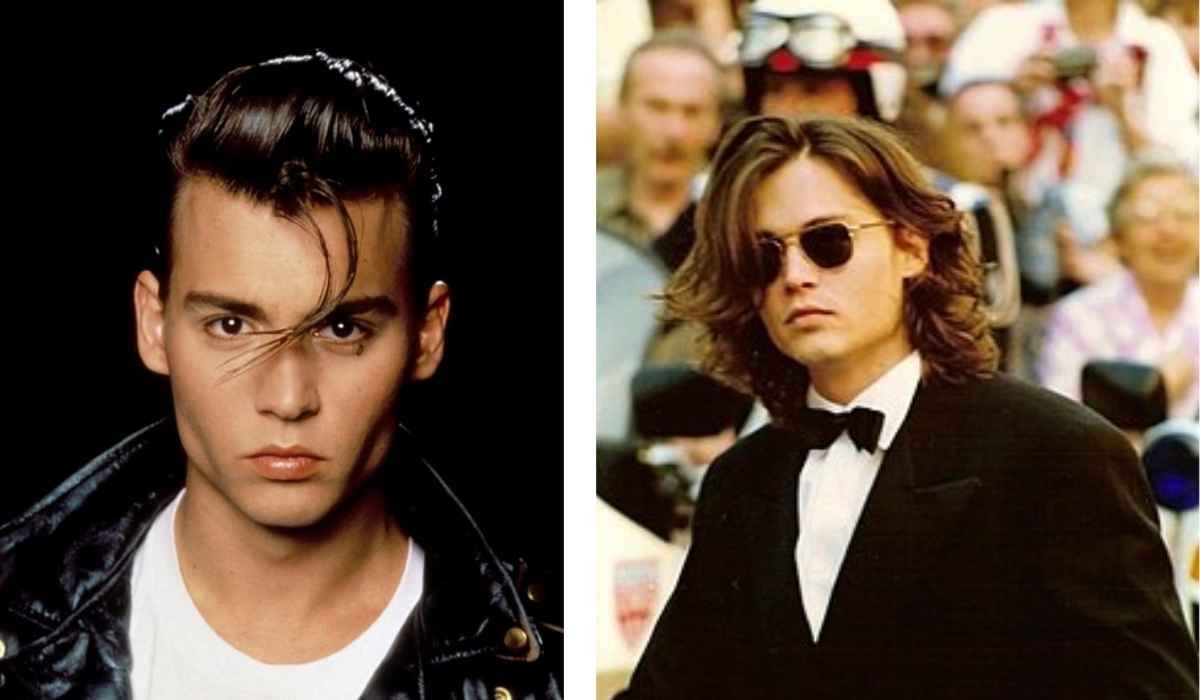
The entertainment industry has witnessed few performers as uniquely versatile, wildly eccentric, and enduringly magnetic as Johnny Depp. Throughout a career spanning several decades, this legendary American actor has consistently defied conventional Hollywood casting norms. From humble beginnings playing television teen idols to evolving into a master of dark, eccentric character studies under visionary directors, his professional path remains nothing short of fascinating. Millions of moviegoers worldwide recognize his incredible talent for completely transforming his physical appearance, voice, and internal psychology to breathe life into unforgettable cinematic figures. This thorough exploration examines the remarkable milestones, iconic character portrayals, personal trials, artistic endeavors, and lasting global impact defining Johnny Depp across generations of passionate cinema enthusiasts.
| Attribute | Detail |
| Birth Name | John Christopher Depp II |
| Date of Birth | June 9, 1963 |
| Birthplace | Owensboro, Kentucky, USA |
| Years Active | 1984–Present |
| Notable Franchises | Pirates of the Caribbean, Fantastic Beasts, Alice in Wonderland |
Growing up across various towns in Florida before eventually settling down, young Johnny Depp experienced a transient childhood that fostered a deeply imaginative internal world. Music initially captured his intense creative focus, leading him to drop out of high school with aspirations of becoming a professional rock musician. Playing guitar in garage bands provided a temporary outlet until local gigs dried up, prompting a fateful move toward Los Angeles alongside his struggling bandmates. Financial hardships forced him to take on various odd jobs.
including selling pens over the phone, just to survive while pursuing his artistic dreams. An accidental introduction to actor Nicolas Cage changed everything, as Cage encouraged him to pursue professional auditions and introduced him to a prominent Hollywood talent agent. This unexpected pivot away from music set the stage for an extraordinary acting career that would soon capture worldwide attention and critical acclaim.

Stepping onto television screens in the mid-eighties, Johnny Depp quickly transformed into a massive household name through the hit series 21 Jump Street. Portraying an undercover police officer posing as a high school student, he navigated complex adolescent themes while simultaneously battling an uncomfortable teen idol status. Producers initially cast him for his striking looks, but he sought deeper narrative substance, frequently pushing directors to address serious social issues within network constraints.
The intense mainstream exposure proved overwhelming at times, making it difficult for him to walk down public streets without drawing massive crowds of screaming admirers. Eager to avoid getting typecast forever as a superficial television heartthrob, he actively plotted a strategic departure from mainstream network television. This calculated career maneuver prepared him to embrace darker, more challenging indie film projects that aligned closer with his idiosyncratic artistic sensibilities and personal passions.
A legendary creative partnership blossomed when Tim Burton cast Johnny Depp as the titular gentle-handed protagonist in the 1990 dark fantasy Edward Scissorhands. This hauntingly beautiful collaboration shattered conventional Hollywood expectations, proving that bizarre character designs could still achieve massive commercial success and critical adoration. Subsequent projects like Ed Wood, Sleepy Hollow, and Charlie and the Chocolate Factory showcased an astonishing range capable of blending profound vulnerability with high camp.
Burton’s distinct gothic aesthetic paired seamlessly with the actor’s willingness to submerge his natural ego entirely beneath elaborate prosthetics and eccentric vocal inflections. Their shared cinematic vision redefined modern fairy tales, creating timeless masterpieces that continue influencing contemporary fantasy filmmakers and costume designers today. This enduring alliance remains one of the most fruitful actor-director relationships in modern cinematic history, yielding countless unforgettable cultural touchstones worldwide.

Redefining blockbuster cinema forever, Johnny Depp introduced audiences to the swaggering, rum-soaked pirate Captain Jack Sparrow in Pirates of the Caribbean. Studio executives initially panicked over his bizarre performance choices, fearing the eccentric drunken swagger would alienate mainstream family audiences completely. However, moviegoers fell instantly in love with the witty charm, unpredictable physical comedy, and subtle brilliance baked into every frame of his iconic portrayal. This career-defining role earned him widespread international acclaim, including a prestigious
Academy Award nomination that validated his unconventional choices on a global scale. The massive financial success of the franchise elevated him into Hollywood’s absolute highest earning tier, granting him unprecedented creative freedom for future projects. Captain Jack Sparrow remains an immortal pop culture icon, permanently cementing the actor’s status as a master of inventive character creation.
Beyond massive studio blockbusters, Johnny Depp consistently gravitated toward gritty independent dramas that allowed him to flex his dramatic muscles without commercial constraints. Films like Donnie Brasco, where he played an undercover FBI agent infiltrating the mob alongside Al Pacino, highlighted his grounded realism. His gripping collaboration with director Terry Gilliam in Fear and Loathing in Las Vegas showcased a fearless commitment to chaotic, drug-addled counterculture absurdity.
He also delivered haunting performances in psychological thrillers like Secret Window and supernatural mysteries like The Ninth Gate, proving his versatility across genres. These projects frequently received praise from film critics who appreciated his dedication to complex characters rather than safe, predictable leading-man archetypes. By balancing box-office giants with risky independent cinema, he built a remarkably diverse filmography envied by many of his Hollywood peers.

Stepping into historical and biographical narratives, Johnny Depp brought profound emotional depth to real-life figures through poignant period pieces and musical dramas. His role as visionary author J.M. Barrie in Finding Neverland captured the whimsical imagination behind the creation of Peter Pan with delicate emotional resonance. Shortly after, he teamed up with Tim Burton once again to deliver a blood-soaked, operatic performance as the vengeful barber in Sweeney Todd.
This demanding musical role required intense vocal training, earning him another Academy Award nomination and proving his hidden talents extended far beyond acting. He later portrayed notorious bank robber John Dillinger in Public Enemies, bringing a quiet, brooding intensity to Depression-era America. Each period piece highlighted his meticulous research habits, ensuring historical accuracy blended seamlessly with his signature magnetic screen presence and emotional authenticity.
Taking control of his creative destiny, Johnny Depp established his own production company named Infinitum Nihil to champion unique, overlooked artistic stories. Under this banner, he produced ambitious projects like The Rum Diary, adapted from the semi-autobiographical novel by his close friend Hunter S. Thompson. The company also backed cinematic gems like Hugo, directed by Martin Scorsese, which celebrated the early magical history of silent filmmaking.
Producing allowed him to protect independent filmmakers from studio interference, ensuring artistic integrity always superseded commercial box-office pressures. Through Infinitum Nihil, he fostered creative environments where unconventional storytelling could thrive without compromising on quality or visionary scope. This entrepreneurial step demonstrated a deep commitment to preserving cinema as a pure art form rather than a mere corporate manufacturing machine.
A lifelong obsession with literature deeply influenced the artistic choices and lifestyle of Johnny Depp, particularly his close friendship with writer Hunter S. Thompson. Immersing himself in gonzo journalism, he spent months living with Thompson while preparing to capture the chaotic essence of his literary idol on screen. His personal library boasts thousands of rare first-edition books, handwritten manuscripts, and historical poetry collections gathered from antiquarian shops worldwide.
This literary passion frequently bled into his acting choices, often drawing inspiration from classic poetry, gothic novels, and Beat Generation writers. Literature provided him with a foundational understanding of human psychology, allowing him to construct multi-layered backstories for even the most bizarre characters he played. Books remained his ultimate sanctuary, offering endless inspiration and intellectual stimulation away from the hectic pressures of global celebrity culture.
Rock and roll remained a constant passion for Johnny Depp, leading him to share stages with legendary musicians through his supergroup, the Hollywood Vampires. Collaborating alongside rock icons like Alice Cooper and Joe Perry, he toured international arenas playing rhythm and lead guitar with genuine technical proficiency. The band paid homage to fallen rock legends of the seventies, recording energetic cover albums and raising funds for various global charitable organizations.
Music offered him a therapeutic escape from film sets, allowing for raw, unscripted self-expression directly in front of adoring live audiences. Fellow musicians frequently praised his dedication, humility, and raw talent, treating him as a legitimate peer rather than a celebrity novelty act. These high-energy Johnny Depp musical tours proved that his childhood dream of becoming a rock star never truly died, running parallel to his cinematic legacy.
Expanding his visual artistic horizons, Johnny Depp dedicated significant time to painting portraits of cultural icons, close friends, and abstract emotional concepts. His debut art collections, Johnny Depp featuring striking depictions of notable figures, sold out within hours of release through international fine art galleries. Exhibits like “A Bunch of Stuff” showcased his diverse multimedia installations, combining personal artifacts, sketches, and experimental Johnny Depp sculptures into immersive public experiences.
Painting served as a deeply personal form of processing internal emotions away from public scrutiny and media sensationalism. Critics noted the raw, expressionistic quality of his artwork, drawing parallels between his chaotic cinematic characters and his textured canvas brushstrokes. This creative evolution proved his artistic expression transcended traditional filmmaking, manifesting across various mediums with equal passion and distinct visual flair.
Stepping behind the camera, Johnny Depp took on directorial duties to explore visual storytelling from an entirely different structural and administrative perspective. His directorial work on projects like Modi: Three Days on the Wing of Madness demonstrated a keen eye for bohemian artistic struggles in historical Europe. Johnny Depp Directing required immense patience, leadership, and precise coordination among cast and crew members to manifest his distinct internal vision successfully.
He focused heavily on creating collaborative on-set atmospheres where actors felt safe improvising and pushing creative boundaries to their absolute limits. These behind-the-scenes experiences enriched his understanding of the filmmaking process, making him a more empathetic and cooperative performer in front of cameras. Embracing the director’s chair solidified his status as a complete filmmaker who understood every technical mechanism required to build a movie.
Few actors command a dedicated global fanbase quite like Johnny Depp, whose supporters span multiple generations, cultures, and socioeconomic backgrounds across the world. Fan communities organized extensive international charity campaigns, fundraising in his honor for children’s hospitals, environmental causes, and animal rescue shelters. This fierce loyalty persisted through turbulent career phases and intense media scrutiny, demonstrating a bond that transcended traditional celebrity worship.
Conventions and public appearances regularly drew thousands of passionate admirers eager to catch a glimpse of the iconic performer in character. This reciprocal relationship between the actor and his audience created a powerful subculture built on mutual appreciation for artistic individuality and resilience. His enduring cultural footprint remains visible in modern cosplay, fan art, academic film studies, and contemporary pop culture references across digital platforms.
Navigating intense public scrutiny, Johnny Depp faced highly publicized legal battles and turbulent marital disputes that dominated global news cycles for years. The explosive defamation trials broadcasted worldwide exposed intimate details of his personal life, straining relationships with major Hollywood studio executives. Despite facing temporary industry blacklisting and canceled contracts, he retained fierce support from grassroot fan networks who analyzed court proceedings meticulously.
The legal verdicts ultimately vindicated aspects of his claims, leading to a slow but steady rebuilding phase within the international entertainment landscape. This challenging chapter tested his emotional resilience, forcing him to reflect deeply on his personal life, friendships, and professional choices. Surviving such unprecedented public trials reshaped his public persona, transforming him from a untouchable movie star into a deeply human figure who weathered immense adversity.
Finding creative sanctuary outside traditional studio systems, Johnny Depp gravitated toward the European film industry during periods of domestic Hollywood alienation. European directors welcomed his star power, offering him complex historical roles like King Louis XV in the critically discussed French biographical drama Jeanne du Barry. Working across European production hubs allowed him to escape American tabloid culture, focusing purely on artistic craft and cultural immersion.
Film festivals in Cannes, Rome, and San Sebastian embraced his presence warmly, honoring his lifetime contributions to international cinema with prestigious career awards. This strategic relocation revitalized his passion for acting, proving that global cinema extends far beyond the traditional boundaries of Los Angeles studio lots. European filmmaking provided a safe harbor where his eccentric acting style and auteur sensibilities found genuine appreciation and institutional respect.
Marking a triumphant return to mainstream American cinema, Johnny Depp secured high-profile roles in upcoming blockbuster projects slated for theatrical release. His casting as Ebenezer Scrooge in Paramount’s dark fantasy adaptation Ebenezer: A Christmas Carol generated immense excitement across global entertainment news outlets. Teaming up with acclaimed director Ti West, this festive yet gothic project positioned him back at the center of major holiday box-office projections.
Additionally, high-profile action thrillers like Day Drinker signaled a renewed confidence from major studio executives eager to harness his enduring box-office appeal. Comic-Con appearances and dramatic promotional makeovers proved he had lost none of his theatrical flair or ability to captivate public imagination. This strategic career resurrection cemented his status as one of Hollywood’s most resilient survivors and bankable cinematic leads.
Behind his eccentric public persona and dark cinematic roles, Johnny Depp maintained a long-standing tradition of visiting sick children in hospitals dressed as Captain Jack Sparrow. Traveling with his complete pirate costume, he spent hours improvising dialogue, handing out gold coins, and bringing laughter to young patients facing terminal illnesses. He deliberately coordinated these heartfelt visits independently, often requesting media blackouts to ensure the moments remained entirely about cheering up the children.
Beyond hospital visits, he actively supported environmental preservation efforts in the Caribbean and donated substantial funds to various medical research charities worldwide. These compassionate acts highlighted a deep empathy and generosity that starkly contrasted with sensationalized tabloid portrayals of his character. His dedication to philanthropy demonstrated a profound commitment to using his global platform to bring genuine comfort to those suffering.
Known as a true fashion chameleon, Johnny Depp consistently defied standard red-carpet dress codes with his signature bohemian, grunge-inspired wardrobe choices. Layered scarves, vintage fedoras, tinted sunglasses, and weathered leather jackets became staples of his recognizable everyday aesthetic and personal presentation. Rather than following transient fashion trends, he curated a timeless, eclectic style blending nineteenth-century dandyism with modern rock-and-roll rebellion. High-end fashion houses frequently sought him out as a brand ambassador, recognizing his unique ability to make statement pieces look effortlessly cool. His distinct appearance influenced men’s fashion trends globally, encouraging individuals to embrace accessories, layered textures, and unconventional tailoring. This uncompromising approach to personal style reflected his inner ethos: individuality and authenticity will always surpass temporary mainstream conformity.
Reflecting on his expansive career, the legacy of Johnny Depp remains firmly etched into the history of modern international cinema. By injecting profound humanity, eccentricity, and vulnerability into every character he portrayed, he expanded the creative boundaries of mainstream acting. Future generations of performers will undoubtedly study his fearlessness in tackling bizarre, flawed, and socially marginalized figures with empathy and grace. Despite facing immense personal trials, industry shifts, and media storms, his enduring dedication to art always guided him back to the screen. He stands as a testament to the power of artistic resilience, proving that true talent transcends temporary controversy and corporate gatekeeping. His cinematic footprint will continue inspiring dreamers, rebels, and artists for decades to come.