

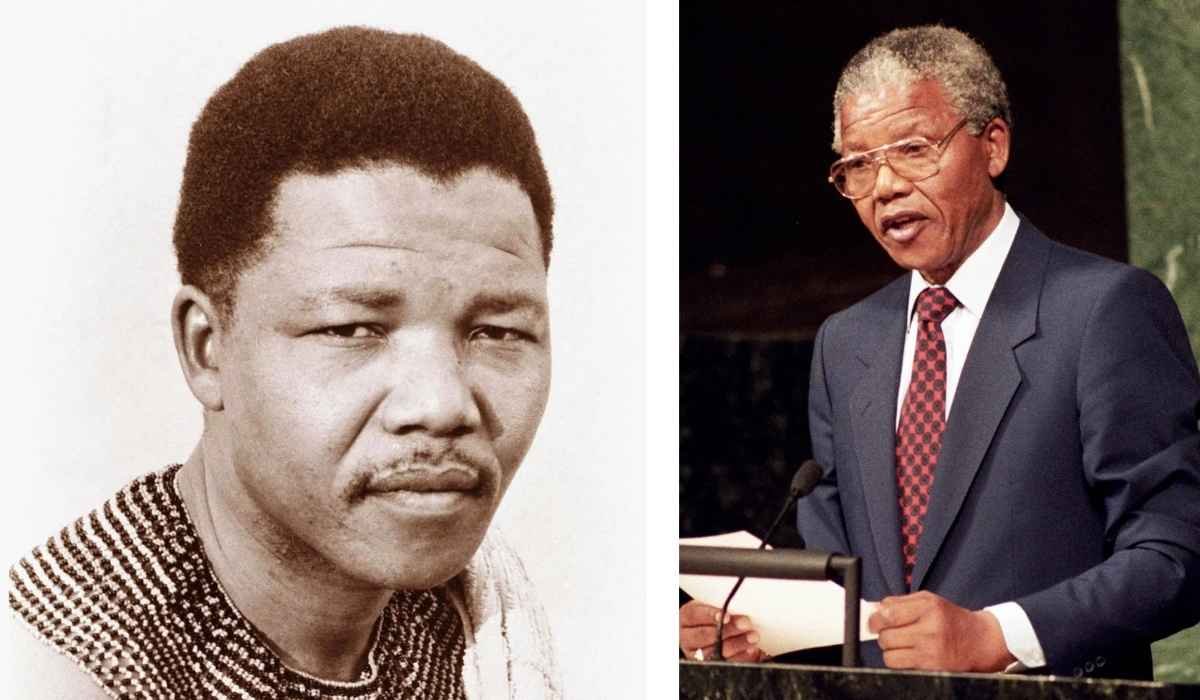
The remarkable journey of Nelson Mandela stands as an everlasting beacon of hope, resilience, and unyielding courage for oppressed people across the entire world. Born into the Thembu royal family in a small South African village, he grew up with a deep awareness of traditional leadership and community values. However, as he matured and witnessed the systematic marginalization of non-white citizens by the ruling minority government, his path shifted dramatically toward political activism. He dedicated his entire youth and adulthood to dismantling institutionalized racial segregation, enduring decades of harsh imprisonment on Robben Island without ever losing his visionary commitment to equality, justice, and true democratic freedom for every single citizen.
| Metric | Detail |
| Full Name | Nelson Rolihlahla Mandela |
| Date of Birth | July 18, 1918 |
| Place of Birth | Mvezo, South Africa |
| Political Party | African National Congress (ANC) |
| Presidency Term | 1994 – 1999 |
| Key Accolade | Nobel Peace Prize (1993) |
| Date of Passing | December 5, 2013 |
Growing up in the traditional rural landscape of Mvezo shaped the foundational worldview of Nelson Mandela. He spent his early days tending cattle and listening to tribal elders share stories of past African resistance. These formative experiences instilled a profound respect for communal harmony and participatory governance that would later define his leadership style. Even as a young boy, he observed how customary laws resolved disputes peacefully. This rural upbringing provided a stark contrast to the rigid, discriminatory laws that he would later encounter in South Africa’s urban centers. His connection to the land and his royal heritage remained an anchoring force throughout his extraordinary life, guiding his moral compass through turbulent political storms.
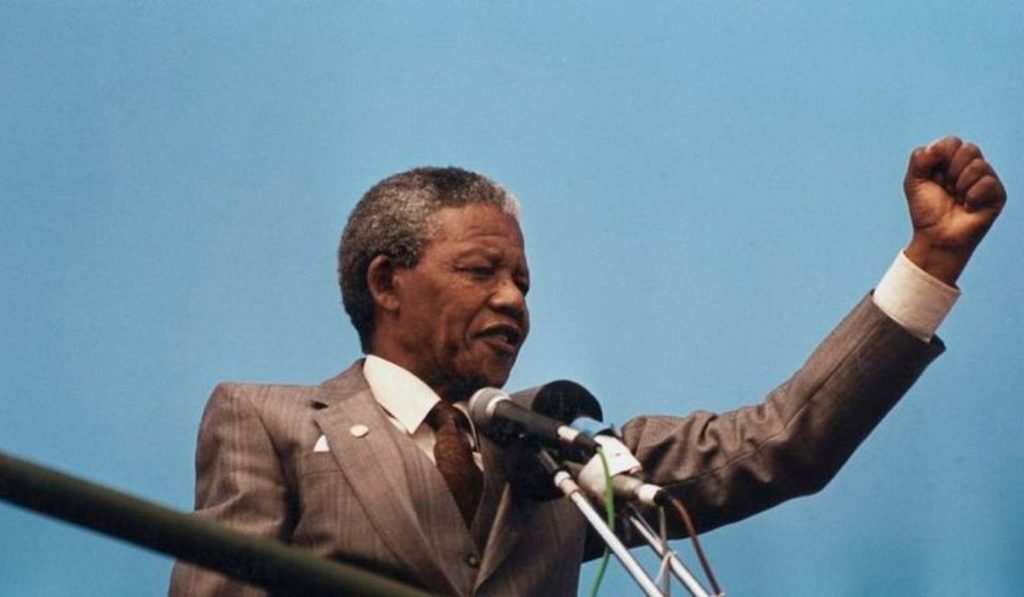
Transitioning from a quiet rural existence to the bustling, segregated environment of Johannesburg marked a critical turning point for Nelson Mandela. Arriving in the major metropolis during the 1940s, he pursued his passion for law by studying at the University of the Witwatersrand. In this vibrant city, the harsh realities of systemic racial oppression became impossible to ignore. He witnessed firsthand how migrant workers and people of color were exploited daily by an unjust economic and social system. These eye-opening encounters catalyzed his decision to enter the legal profession actively. He wanted to use formal judicial knowledge to defend vulnerable populations, though he quickly realized that courtroom battles alone could not dismantle the overarching structure of state-sanctioned racial supremacy.
Stepping into organized political resistance, Nelson Mandela officially joined the African National Congress in 1943 to fight systemic injustice. Alongside passionate peers like Walter Sisulu and Oliver Tambo, he recognized that the liberation struggle required a modernized, mass-mobilized approach. The existing leadership tactics felt too moderate against an increasingly entrenched regime, prompting these young visionaries to demand radical transformation. They believed that ordinary citizens had to become the architects of their own emancipation through unified action. This strategic pivot injected fresh energy into the national liberation movement, laying crucial groundwork for decades of sustained defiance against the oppressive racial hierarchies that dominated South African society during that era.
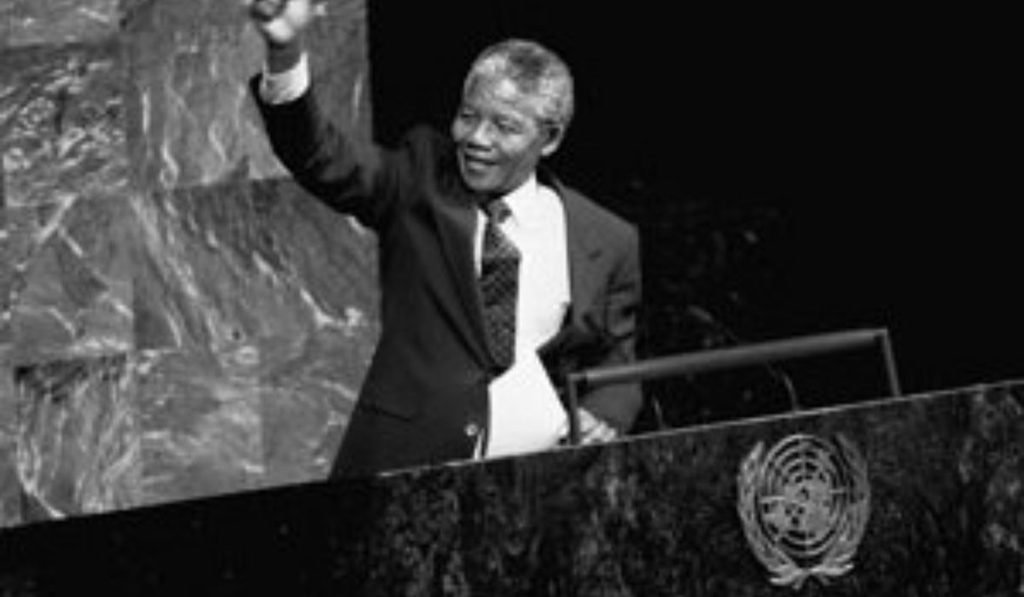
Energized by a desire for aggressive reform, Nelson Mandela co-founded the African National Congress Youth League in 1944. This dynamic faction pushed the parent organization to adopt militant tactics, including boycotts, strikes, and civil disobedience campaigns, rather than relying solely on petitions. He argued that freedom was never granted voluntarily by oppressors but had to be demanded by the oppressed. The Youth League successfully galvanized a new generation of freedom fighters who were willing to risk imprisonment for their core beliefs. This bold initiative transformed the political landscape, shifting the liberation narrative toward direct confrontation with discriminatory laws and cementing his reputation as a fearless, forward-thinking strategist within the broader national movement.
Stepping onto the national stage as a primary organizer, Nelson Mandela led the historic Defiance Campaign in 1952. This coordinated resistance project encouraged citizens to intentionally break discriminatory pass laws and court arrest en masse. As the volunteer-in-chief, he traveled extensively across the country, mobilizing communities to stand up against unjust regulations through peaceful means. The campaign resulted in thousands of arrests, dramatically increasing membership and international awareness of the struggle. Although the government responded with severe crackdowns and banning orders, the initiative proved that organized civil disobedience could effectively challenge state authority. It demonstrated remarkable solidarity among diverse racial groups who united under a common banner of resistance and equality.
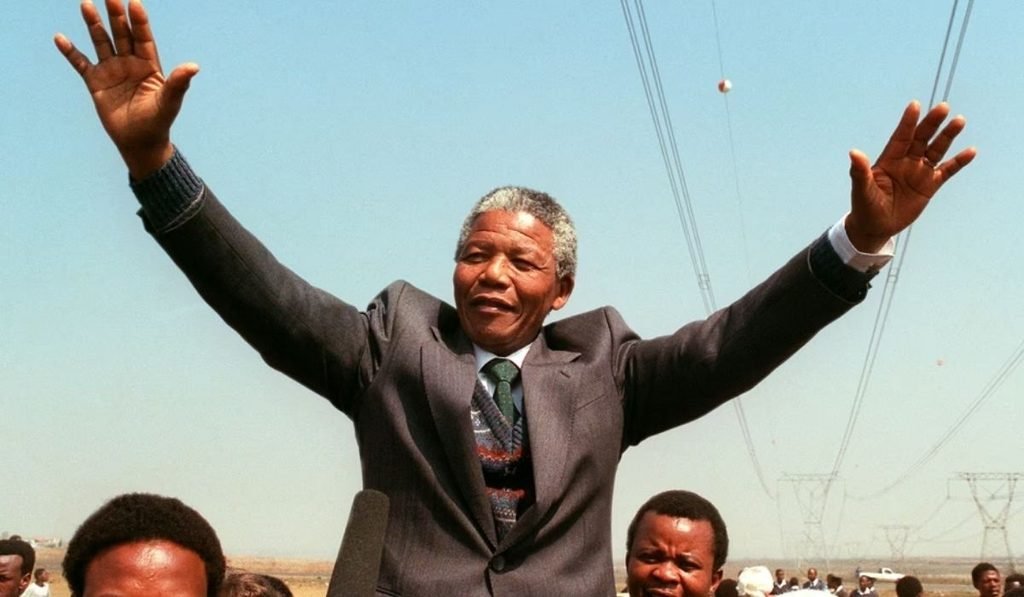
Enduring relentless state persecution, Nelson Mandela was arrested alongside 155 other activists in late 1956. The grueling legal battle, known as the Treason Trial, dragged on for nearly five years as prosecutors attempted to prove that the liberation leadership plotted violent overthrow. Throughout this protracted ordeal, the defendants used the courtroom as a platform to expose the moral bankruptcy of racial segregation. He meticulously studied legal defense strategies while maintaining solidarity with his co-defendants. Ultimately, the court acquitted all the accused in 1961, ruling that the state failed to prove its aggressive claims. This monumental legal victory provided a temporary respite, allowing the movement to regroup and refine its tactical approach moving forward.
Recognizing that peaceful protests were met with increasing state violence, Nelson Mandela helped establish Umkhonto we Sizwe in 1961. This militant wing of the liberation movement was formed to execute targeted sabotage against government installations without causing loss of life. He argued that the regime left them with no alternative option after banning peaceful gatherings and shooting unarmed demonstrators. Traveling secretly across Africa to secure support and military training, he expanded his global perspective on revolution. This strategic evolution marked a painful departure from strict pacifism, yet he maintained that armed resistance was merely a defensive reaction to state terror designed to force the regime toward genuine democratic negotiations.
Evading capture for seventeen months, Nelson Mandela earned the moniker “Black Pimpernel” during his clandestine underground operations. Disguised variously as a chauffeur or a field worker, he coordinated resistance networks while dodging relentless police surveillance. During this period, he traveled abroad to rally international solidarity and financial backing for the underground struggle. His ability to slip through security nets embarrassed the regime and inspired ordinary citizens who viewed him as an elusive symbol of hope. However, the immense pressure of living on the run eventually caught up with security forces, leading to his dramatic arrest in KwaZulu-Natal in August 1962, which abruptly concluded his thrilling phase of clandestine leadership.
Facing life imprisonment during the Rivonia Trial, Nelson Mandela delivered a legendary three-hour speech from the dock. Rather than denying the charges of sabotage, he used the courtroom to articulate his profound vision for a democratic, non-racial society. He famously declared that he cherished the ideal of a free and democratic community where all persons lived together in harmony. This stirring declaration resonated far beyond the courtroom walls, capturing international attention and turning him into a global symbol of resistance. The trial concluded in 1964 with convictions for all major defendants, resulting in life sentences that removed him from public view but amplified his moral authority exponentially across the world.
Enduring decades of grueling confinement, Nelson Mandela spent eighteen of his twenty-seven prison years on notorious Robben Island. Political prisoners faced harsh physical labor, meager rations, and strict censorship designed to break their spirits. Instead of yielding to despair, he transformed the maximum-security facility into an intellectual hub known informally as “Robben Island University.” Prisoners educated one another on politics, economics, and philosophy during clandestine study sessions. He emerged as the undisputed leader of the inmate community, consistently negotiating with prison authorities for better conditions while maintaining absolute discipline. His steadfast dignity under extreme duress earned the deep respect even of the guards assigned to watch over him.
Transitioning to mainland facilities in 1982, Nelson Mandela spent his final years of captivity at Pollsmoor Prison and Victor Verster Prison. This relocation coincided with a changing political climate as international economic sanctions crippled the South African economy. Realizing that absolute deadlock served no one, secret exploratory talks began between him and regime representatives during the late 1980s. He demonstrated remarkable strategic patience, ensuring that his organization’s core principles were never compromised during these delicate negotiations. By moving to a less restrictive cottage environment in his final years of detention, he was able to host key intermediaries, paving the smooth path toward official unbanning of liberation movements and national reconciliation.
Reclaiming his freedom on February 11, 1990, Nelson Mandela walked out of Victor Verster Prison hand-in-hand with his wife Winnie. Millions watched globally as the 71-year-old leader raised his clenched fist in a triumphant salute to freedom. Addressing a massive, jubilant crowd at Cape Town City Hall, he called for peace, reconciliation, and a renewed commitment to building a democratic nation. His release signaled the definitive beginning of the end for minority rule, though immense challenges lay ahead in calming racial tensions. True to his character, he immediately threw himself into the monumental task of unifying a deeply fractured country on the brink of chaotic civil upheaval.
Navigating complex multi-party talks, Nelson Mandela played a pivotal role in drafting a peaceful transition to democratic governance. He engaged in tense negotiations with president F.W. de Klerk to establish an interim government and set a firm date for universal elections. Despite outbreaks of political violence threatening to derail the process, he maintained steady leadership and open communication channels with all factions. His pragmatic approach ensured that minority fears were addressed without sacrificing majority rights. This delicate balancing act averted catastrophic bloodshed, earning him and de Klerk joint recognition through the prestigious Nobel Peace Prize in 1993 for steering the nation away from the brink of total disaster.
Achieving a lifelong dream, Nelson Mandela voted for the first time in his life during the historic April 1994 general election. The African National Congress secured a resounding victory, and on May 10, 1994, he was inaugurated as South Africa’s first Black president. Standing before an ecstatic multitude at the Union Buildings, he proclaimed that a rainbow nation at peace with itself and the world had finally been born. This monumental event marked the glorious culmination of decades of sacrifice, transforming an international pariah state into a beacon of democratic hope. His ascension to the highest office symbolized the ultimate triumph of human rights over institutionalized tyranny and systematic oppression.
Leading the country through its critical formative years, Nelson Mandela prioritized racial reconciliation above all other political objectives during his presidency. Rather than seeking retribution against former oppressors, he embraced symbolic gestures of unity, such as wearing the Springbok rugby jersey during the 1995 World Cup final. His inclusive governance style disarmed skeptics and fostered a fragile sense of shared national identity across diverse communities. He established the Truth and Reconciliation Commission to expose past atrocities while granting amnesty under strict conditions. This visionary approach healed gaping societal wounds, proving that forgiveness and mutual respect could forge stability where decades of bitter hatred and violence previously prevailed.
Stepping down voluntarily after a single presidential term in 1999, Nelson Mandela transitioned into an active global statesman and philanthropist. He established foundations focused on children’s welfare, rural development, and combating the devastating HIV/AIDS epidemic that threatened the continent. Using his immense moral capital, he mediated international conflicts in places like Burundi and the Democratic Republic of Congo. He never sought personal wealth or power, preferring instead to spend his retirement years supporting charitable causes and mentoring younger leaders. His post-presidential global footprint confirmed that his influence extended far beyond South African borders, making him a universal icon of compassionate humanitarian leadership.
Leaving an indelible mark on human history, Nelson Mandela is universally remembered as a titan of moral integrity and social justice. Streets, statues, and educational institutions worldwide bear his name, commemorating his lifelong dedication to human dignity. His philosophy of ubuntu—the belief that humanity is interconnected—continues to inspire political activists, peacebuilders, and ordinary citizens across continents. Even after his passing in December 2013, his writings and speeches remain required reading for anyone seeking to understand the mechanics of peaceful social change. He taught the world that perseverance, forgiveness, and unwavering dedication can overcome even the most entrenched systems of injustice and oppression.
Transcending politics entirely, Nelson Mandela became a prominent fixture in global popular culture, inspiring numerous books, documentaries, and feature films. Projects like the film Invictus highlighted his ingenious use of sports to bridge racial divides during a volatile historical juncture. Artists, musicians, and poets worldwide composed tributes celebrating his enduring spirit and humility. International Mandela Day, established on his birthday by the United Nations, encourages people everywhere to dedicate time to community service. This cultural ubiquity ensures that his core message of equality and service remains vibrant, engaging new generations who learn about his monumental contributions to global human rights.
Reflecting on the extraordinary trajectory of Nelson Mandela reveals a human being who blended ironclad resolve with profound empathy and grace. His journey from a rural herd boy to a globally revered head of state exemplifies the profound impact that one dedicated individual can have on the course of history. By choosing reconciliation over vengeance, he provided a masterclass in leadership that continues to guide nations navigating turbulent transitions. His legacy endures not merely through monuments or official titles, but within the collective conscience of humanity, reminding everyone that the human spirit possesses boundless capacity to overcome adversity and build a more just world.